Referral

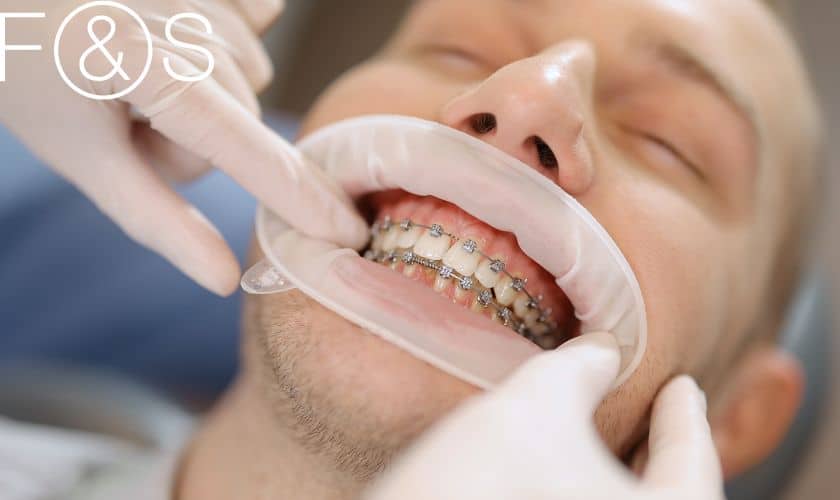
Starting orthodontic treatment is exciting. You may be looking forward to straighter teeth, a more balanced bite, or simply feeling more confident when you smile. But there is another part of the process that deserves just as much attention: keeping your teeth and gums healthy while treatment is underway. Braces and orthodontic appliances can create additional spaces where food and plaque collect. Clear aligners require their own cleaning routine. Either way, your daily habits matter. For patients visiting an orthodontist office in York and Red Lion, following a consistent home-care routine can help protect the progress being made during treatment.
Why Hygiene Matters More During Orthodontic Treatment
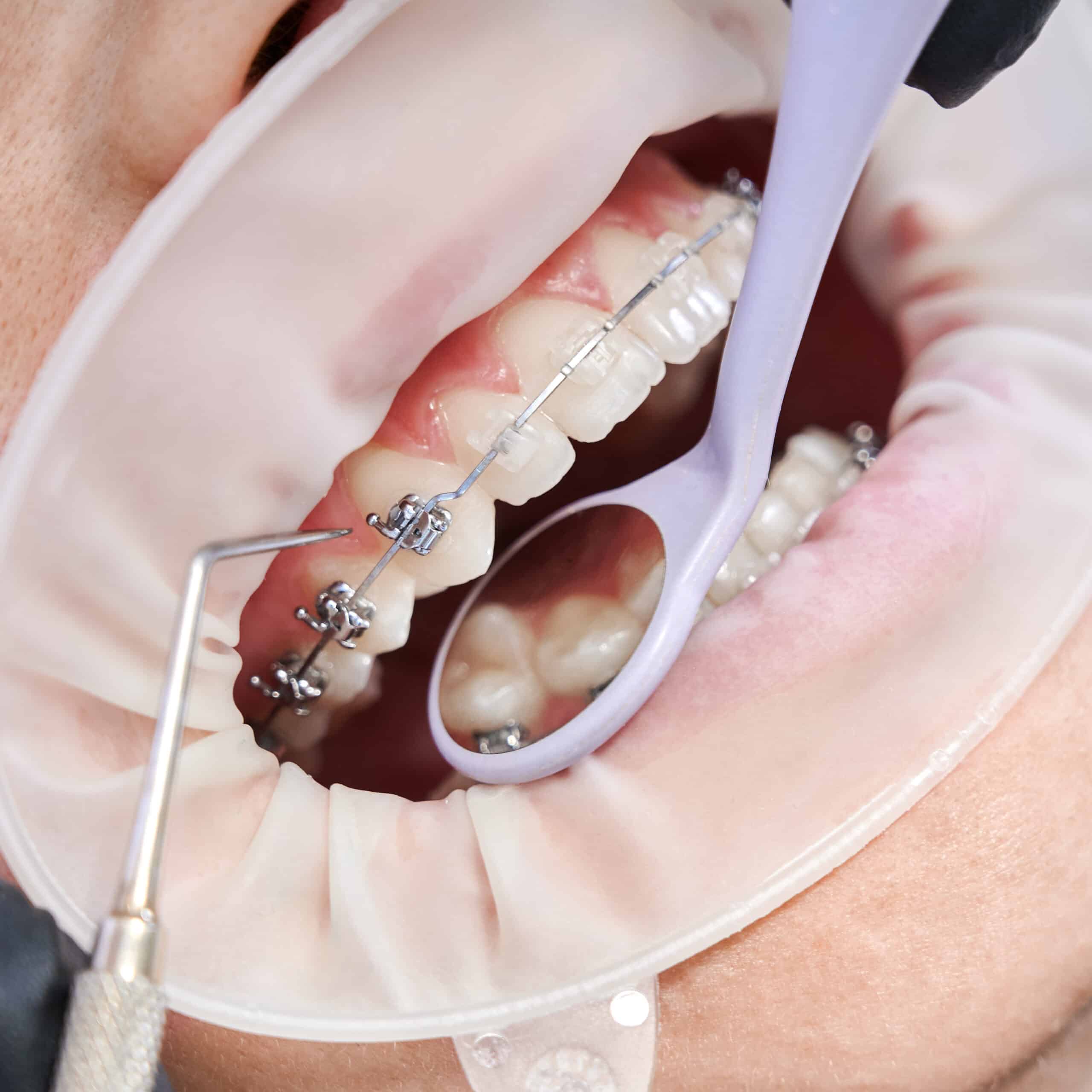
Brackets, wires, and other appliances create areas that can be harder to clean than natural tooth surfaces. The AAO warns that inadequate hygiene during treatment can contribute to cavities, swollen gums, bad breath, and white marks on the teeth. That may sound intimidating, but the solution is straightforward: clean thoroughly and consistently.
1. Brush More Carefully
When you have braces, brushing needs a little more attention.
Brush around the front, back, and chewing surfaces of the teeth, while also paying close attention to the areas around brackets and near the gumline.
The AAO recommends brushing multiple times a day during orthodontic treatment and using an interproximal brush to clean hard-to-reach areas.
A travel toothbrush can also be useful for school, work, or a day out around York and Red Lion.
2. Make Flossing a Daily Habit
Flossing is not optional simply because you have braces.
In fact, it becomes even more important when orthodontic appliances create additional places for plaque and food to collect.
The AAO recommends flossing at least once a day, while the ADA’s MouthHealthy guidance notes that water flossers can be useful for people with braces and other dental work.
Depending on your appliance, you may benefit from:
- Floss threaders
- Orthodontic flossers
- Interproximal brushes
- Water flossers
The most important tool is the one you can use consistently and correctly.
3. Be Smart About Snacks
You do not have to give up all your favorite foods during orthodontic treatment, but braces do require some adjustments.
The AAO recommends avoiding hard, sticky, crunchy, and chewy foods that can damage brackets or wires. Examples include popcorn, hard candy, nuts, ice, pretzels, hard pizza crust, caramel, and taffy.
There is a simple workaround for some foods.
Instead of biting directly into an apple, slice it. Cut sandwiches and pizza into smaller pieces. Choose softer textures when possible.
That small change can make a big difference.
4. Watch Sugary and Acidic Drinks
Soda, sports drinks, energy drinks, fruit drinks, and other acidic or sugary beverages can increase the risk of enamel damage and cavities.
The AAO recommends water as the preferred drink during orthodontic treatment and advises limiting sugary and acidic beverages.
This is particularly practical for teens who may be reaching for sports drinks throughout the school day or during athletic activities.
Water is simple, widely available, and easy on your orthodontic appliances.
5. Do Not Ignore a Loose Bracket or Wire
Orthodontic emergencies are not always dramatic.
A loose bracket, poking wire, damaged appliance, or lost aligner may need attention before your next routine appointment.
The AAO recommends contacting your orthodontist when a bracket or wire becomes loose or broken because damaged appliances may not apply forces as intended and can potentially affect treatment progress.
F&S provides emergency orthodontic care for issues such as broken brackets and uncomfortable wires.
6. Keep Your Regular Dental Cleanings
Orthodontic treatment does not replace regular dental care.
The AAO recommends seeing your general dentist for professional cleanings at least every six months during orthodontic treatment, or more frequently when advised.
Your orthodontist and general dentist have different roles, and keeping both relationships active helps support your oral health from multiple angles.
7. Clear Aligners Need Clean Teeth, Too
Clear aligners are removable, but that does not mean they eliminate the need for good hygiene.
The AAO advises removing aligners before eating or drinking anything other than water, then cleaning your teeth before putting them back in.
A helpful routine is:
Eat → clean your teeth → clean the aligners → put them back in.
That simple sequence can become second nature after a few weeks.
A Quick Daily Checklist
Save this checklist on your phone:
Morning: Brush thoroughly and clean between teeth.
After meals: Rinse, brush when possible, and remove trapped food.
Evening: Floss carefully, brush for two minutes, and follow your orthodontist’s appliance-care instructions.
Throughout the day: Choose water and avoid foods that can damage braces.
Frequently Asked Questions
1. How often should I floss with braces?
At least once daily, although your orthodontist may recommend a more frequent routine.
2. Can I eat normally with braces?
You can eat many foods, but hard, sticky, crunchy, and chewy items may damage orthodontic appliances. Foods can often be modified by cutting or softening them.
3. What should I do if my bracket breaks?
Contact your orthodontic office and follow its instructions. Do not try to repair the appliance yourself.
4. How can I clean difficult areas around brackets?
Ask your orthodontist about interproximal brushes, floss threaders, or water flossers. Different tools work better for different patients and appliances.
5. Does oral hygiene affect my orthodontic result?
Healthy teeth and gums are important during treatment. Poor hygiene can contribute to cavities, gum inflammation, and white marks on teeth.
Keep your smile healthy while it changes
Orthodontic treatment is a process, and the habits you practice at home are part of that process.
At F&S Orthodontics and Periodontics, Dr. Daniel L.W. Fishel and the team work with patients throughout York and Red Lion to make orthodontic care understandable and manageable. With offices on N. George Street in York and Cape Horn Road in Red Lion, specialty care is accessible for families across the area.
Schedule a consultation with F&S Orthodontics and Periodontics to discuss your orthodontic goals and learn how to care for your smile throughout treatment.
**Disclaimer: This content should not be considered medical advice and does not imply a doctor-patient relationship.