Referral

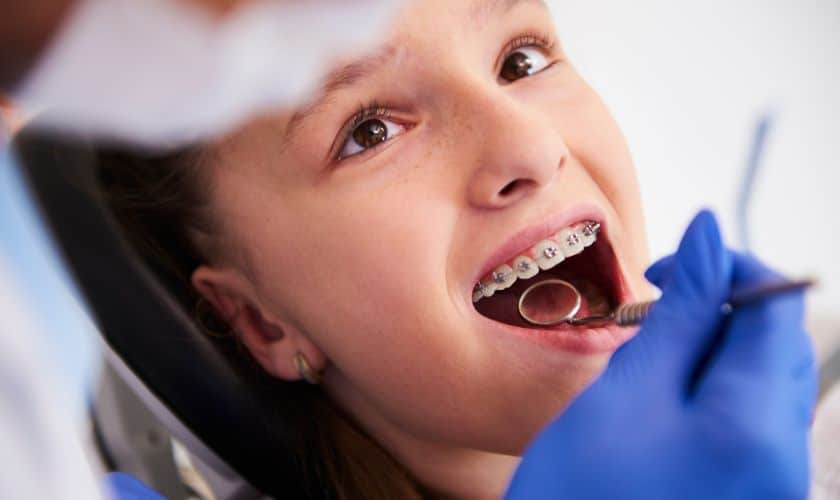
Are you considering getting braces to achieve a straighter, more aligned smile? Embarking on the orthodontic treatment journey can feel overwhelming, especially if you’re new to braces. In this blog, we will provide you with a beginner’s guide to braces, covering everything you need to know. Braces are a common orthodontic solution that can correct crooked teeth, overcrowding, and bite issues. However, understanding the types of braces, the process involved, and the dos and don’ts can help you make informed decisions and set realistic expectations for your orthodontic journey. From traditional metal braces and clear aligners to the duration of treatment and maintenance tips. We will also address common concerns like discomfort, diet restrictions, and oral hygiene during braces. So, prepare to embark on your journey towards straighter teeth and discover why braces might be your ticket to dental bliss.
What Are Braces?
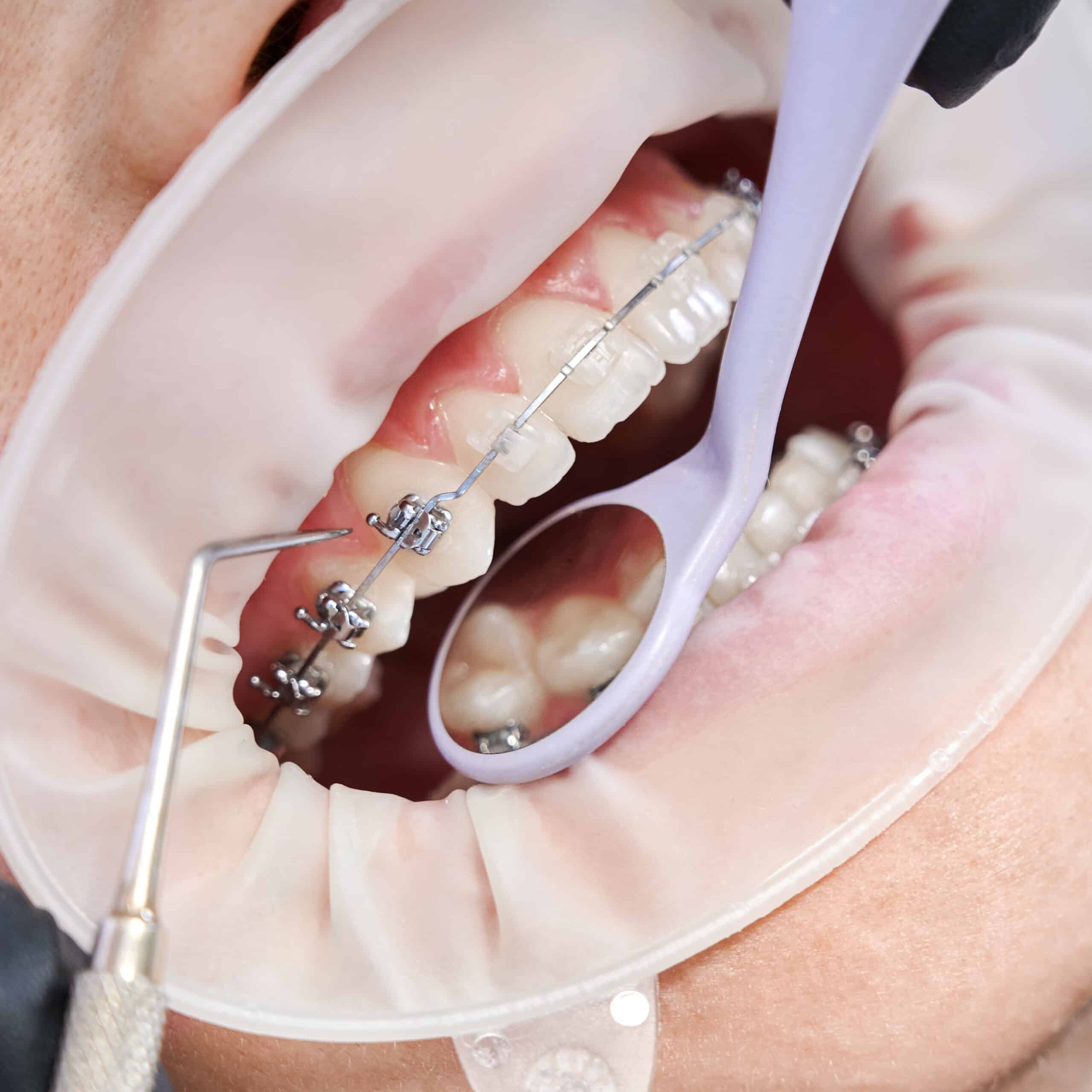
Braces are orthodontic devices that help correct teeth misalignment and improve the overall appearance of your smile. Braces consist of brackets, wires, and bands that gradually move your teeth into their proper positions. Different braces are available, including traditional metal braces, which use stainless steel brackets and wires. These braces have been around for decades and are still widely used due to their effectiveness. Another type is ceramic braces, which blend in with your natural tooth color and are less noticeable than metal braces. Lingual braces go one step further by being placed on the back of your teeth, making them virtually invisible from the front. In recent years, clear aligners such as ClearCorrect have gained popularity. These removable plastic trays gradually shift your teeth without brackets or wires. They offer convenience and a more discreet option for those who prefer not to wear traditional braces. Regardless of the type you choose, all braces work by applying continuous pressure on your teeth over time. This pressure stimulates bone remodeling around each tooth’s root, allowing it to be repositioned correctly within the jawbone. While wearing braces may initially feel uncomfortable or cause soreness in your mouth, these temporary inconveniences will lead to long-term benefits. Braces can straighten crooked or crowded teeth, close gaps, correct bite issues such as overbite or underbite, and enhance facial symmetry. Having properly aligned teeth not only improves aesthetics but also contributes to better oral health. Straightened teeth are easier to clean and maintain than misaligned ones because there are fewer spaces where plaque can accumulate. Consult with an orthodontist who can assess your specific needs and recommend the most suitable type of braces for you.
Different Types Of Braces
Regarding braces, various types are available, each designed to address different dental issues. Let’s take a closer look at some of the most common types:
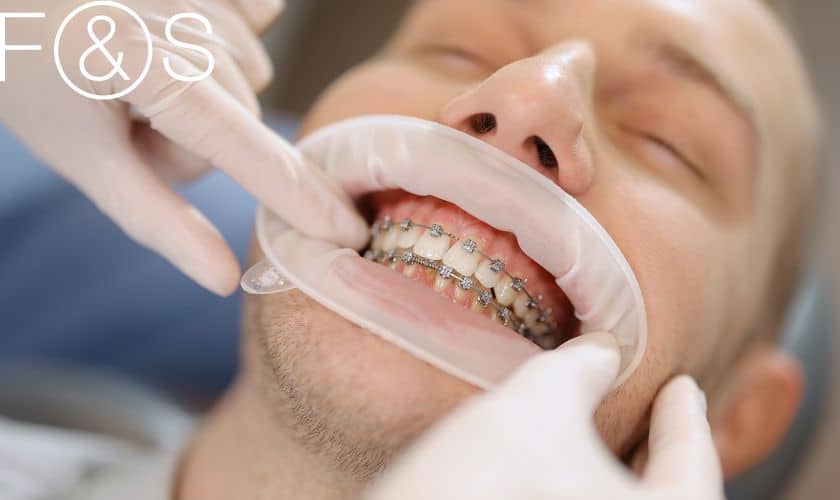
- Traditional Metal Braces: These are the most recognizable type and consist of metal brackets attached to the teeth using adhesive. Connected by wires and rubber bands, they gradually move your teeth into alignment.
- Ceramic Braces: Similar in design to traditional metal braces, ceramic braces use tooth-colored or clear brackets that blend in with your natural teeth. They offer a more aesthetically pleasing option for those who want their braces to be less noticeable.
- Lingual Braces: Unlike traditional braces on the front surface of your teeth, lingual braces are attached behind them. This makes them virtually invisible from the outside but can take longer to adjust to.
- Self-Ligating Braces: With self-ligating braces, there is no need for elastic bands or ties as they have small doors that hold the wire in place instead. They require fewer adjustments and tend to cause less discomfort than other types.
How Do Braces Work?
Braces work by applying constant pressure to your teeth over time. This pressure gradually moves your teeth into the desired position, correcting misalignment or spacing issues. The key components of traditional braces are brackets, wires, and elastic bands. The brackets are attached to each tooth using dental glue, and the archwire is threaded through them. The wire is held in place by tiny rubber bands called ligatures. Over time, the bands will gradually loosen, allowing the teeth to move into their correct positions. Braces typically require regular visits to your orthodontist. During these appointments, the orthodontist will tighten or replace the bands as needed. If you wear braces, the tension from the archwire puts pressure on your teeth, causing them to shift slowly. Your orthodontist will adjust the wire periodically to ensure progress continues in the right direction. In addition to traditional metal braces, other options are available depending on individual needs and preferences. Ceramic braces use tooth-colored brackets for a more discreet appearance. Lingual braces are similar but placed on the inside surface of your teeth instead of the outside. Regardless of the type of braces you choose, it’s important to follow proper oral hygiene practices during treatment. This includes regular brushing and flossing after meals and avoiding foods that can damage or get stuck in your braces. Regular visits with your orthodontist will allow them to monitor progress and make adjustments as necessary. So whether you’re looking for a straighter smile or seeking relief from jaw discomfort caused by misaligned teeth, braces can be an effective solution tailored specifically to youth. With technological advancements and various appliances available today, getting a beautiful smile has become easier than ever! Embrace this journey towards improved oral health and increased self-confidence – consult an experienced orthodontist who can guide you through every step! Now go ahead – take that first step towards achieving a stunning smile!
Benefits Of Braces
Regarding orthodontic treatment, braces are popular for correcting crooked teeth and achieving a straighter smile. But beyond the cosmetic benefits, braces offer a range of advantages that can improve oral health and overall well-being. One of the key benefits of braces is improved bite alignment. Misaligned bites can lead to problems such as difficulty chewing or speaking, jaw pain, and headaches. By gradually shifting the position of your teeth, braces help align your bite properly, reducing these issues and improving functionality. Braces also play a crucial role in preventing dental complications down the line. Crowded or crooked teeth can make it challenging to maintain proper oral hygiene practices like brushing and flossing effectively. This increases the risk of plaque buildup, tooth decay, gum disease, and other related problems. Straightening your teeth with braces creates an easier-to-clean environment that promotes better oral health. So, if you’re considering orthodontic treatment, speak with an experienced orthodontist who can provide a comprehensive assessment and recommend the best option for your case. With braces, you can achieve a beautiful; beyond functional improvements, wearing braces can boost self-confidence significantly. Many people may feel self-conscious about their misaligned teeth or uneven smile lines. With each passing month, as their smiles transform through orthodontic treatment progressions with braces, individuals often begin to feel more comfortable smiling freely without worrying about their appearance. This sense of self-improvement can be extremely motivating, helping people to reach their dental goals and improve their quality of life overall. Additionally, many people find that braces improve their oral hygiene habits. As mentioned earlier, proper brushing and flossing can be difficult with crooked teeth. With braces in place, individuals can brush and floss properly without worrying about their braces. Braces have been found to correct speech impediments caused by misaligned jaws or improperly positioned teeth. They distribute biting pressure evenly across all teeth, which helps prevent excessive ar on certain areas. Braces provide long-term stability once treatment is complete by keeping the newly aligned teeth in place. This helps to prevent future dental problems and makes it easier for individuals to maintain good oral hygiene habits. Overall, the benefits of getting braces extend beyond just aesthetic improvements; they address functional concerns while promoting good oral hygiene habits and boosting self-esteem.
Final Words
Braces may seem daunting, but they can improve your smile and oral health. Whether you choose traditional metal braces or explore the more discreet options of ceramic or invisible aligners, the result will be worth it. Remember, each person’s orthodontic journey is unique, so it’s important to consult with an experienced orthodontist who can guide you through the process. They will assess your needs and create a customized treatment plan that suits you best. So, if you’re considering braces, please schedule a consultation today. Embrace the opportunity to achieve straighter teeth and greater confidence. I’d like to point out that the information in this article is meant for informational purposes only and should not be taken as professional medical advice. Please consult a qualified orthodontist or dentist with any concerns about braces or other dental treatments.