Referral

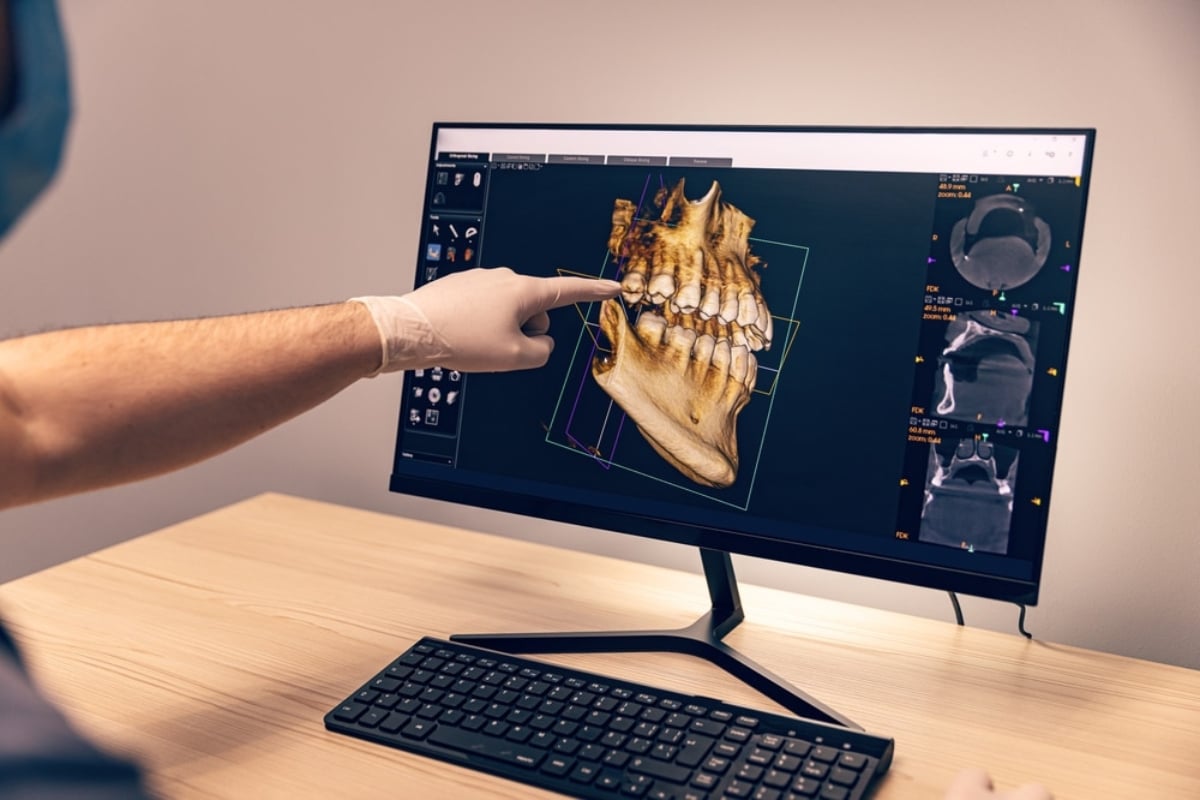
Facing the reality of dental bone loss can be a challenging experience. It often brings a mix of emotions—from worry to confusion—leaving many individuals searching for solutions to restore their oral health. Dental bone loss occurs when the bone that supports your teeth weakens, typically due to factors like gum disease, tooth loss, or other less-discussed causes such as osteoporosis or certain medications.
Understanding the causes and early symptoms of dental bone loss is key to preventing further complications. If left unchecked, it can lead to tooth loss, gum recession, and even more serious health problems. Fortunately, there are steps you can take to slow down bone loss and protect your smile. If you’re in York and dealing with dental bone loss, F&S Orthodontics and Periodontics offers advanced treatments that can help.
What Causes Dental Bone Loss?
The most common causes of dental bone loss include poor oral hygiene, untreated gum disease (periodontitis), and tooth loss. These issues can lead to the deterioration of the jawbone over time. In addition, less obvious causes such as osteoporosis, hormonal changes, and certain medications can also contribute to bone loss.
Signs and Symptoms of Dental Bone Loss
Recognizing dental bone loss early can make a significant difference in your treatment and overall oral health. Watch out for the following warning signs:
1. Gum Recession
Gum recession is one of the first noticeable signs of bone loss. When your gums begin to pull away from the teeth, exposing more of the tooth or even its root, it’s an indication that changes are happening in your bone structure.
2. Tooth Mobility or Changes in Your Bite
If your teeth feel loose or if your bite feels off—such as your teeth not fitting together properly when you bite down—it’s a sign that your dental health may be deteriorating. This is often due to the weakening of the jawbone.
3. Increased Sensitivity
Feeling increased sensitivity to hot or cold foods is another symptom of potential bone loss. Sensitivity often occurs when the gums recede and expose the tooth’s root, making it vulnerable to temperature changes.
How to Prevent Dental Bone Loss
Preventing dental bone loss is possible with proper oral care and lifestyle changes. Here are some strategies to help protect your jawbone:
1. Nutritional Support for Bone Health
A diet rich in calcium, vitamin D, and phosphorus is essential for maintaining strong bones, including your jawbone. Dairy products, leafy greens, and fatty fish like salmon can help fortify your teeth and bones, reducing the risk of bone loss.
2. Quit Smoking
Smoking is a major contributor to gum disease, which can lead to bone loss. If you smoke, quitting can significantly improve your oral health and help prevent further bone degradation.
3. Consistent Oral Hygiene
Regular brushing and flossing are critical for keeping your gums and teeth healthy. A strong oral hygiene routine, along with regular visits to your dentist, helps to prevent gum disease, which is a leading cause of bone loss.
4. Regular Dental Check-Ups
Scheduling regular dental check-ups with your periodontist ensures that any signs of bone loss are detected early. This allows for timely intervention, such as professional cleanings or more advanced treatments.
What to Do If You Already Have Dental Bone Loss or Missing Teeth
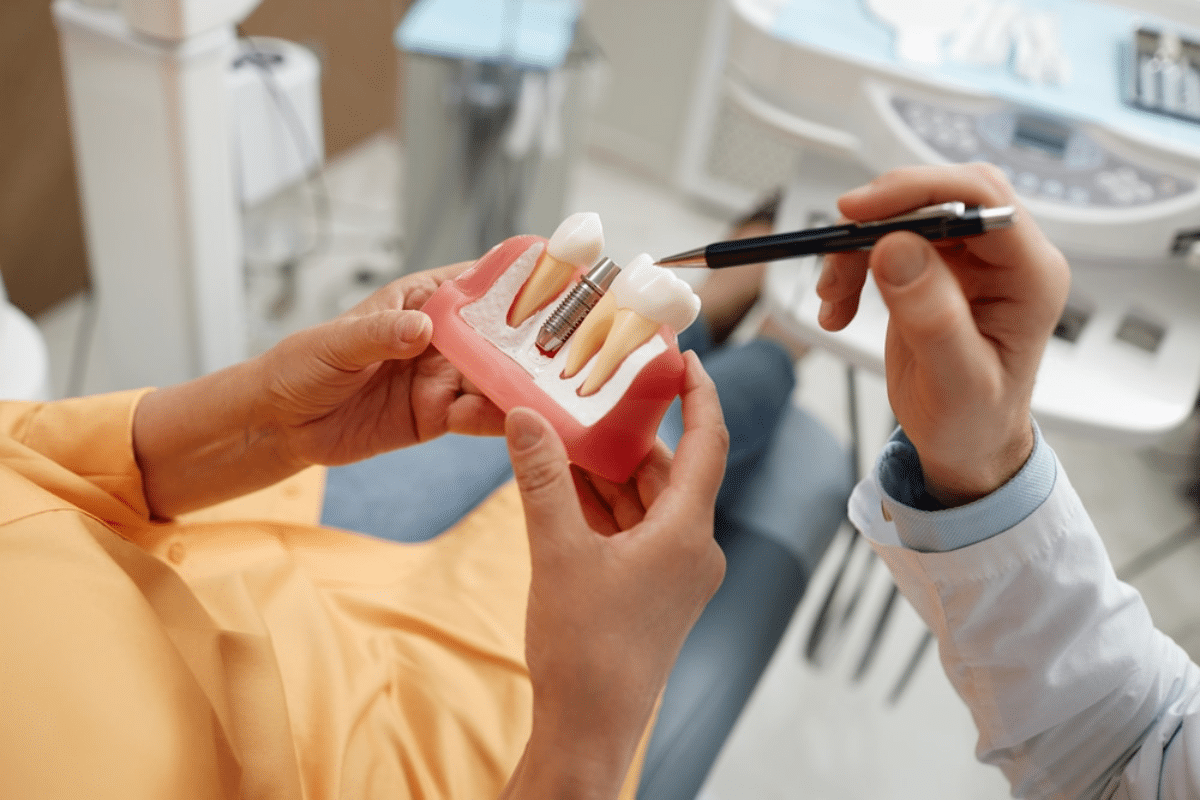
If you’re dealing with significant dental bone loss, you might be wondering about your options for restoring your smile. Fortunately, dental implants in York can help. For patients who have experienced severe bone loss, F&S Orthodontics and Periodontics offers solutions like dental implants that can restore both function and aesthetics.
Modern dental implant treatments provide a permanent, natural-looking solution for those with missing teeth. If you have lost a significant amount of bone, don’t worry—advanced techniques, including bone grafting, can help rebuild the bone structure and make dental implants possible.
Conclusion
Recognizing dental bone loss early is essential for effective management. If you notice signs such as gum recession, loose teeth, or increased sensitivity, it’s crucial to take action before the condition worsens. Prevention is always better than cure—maintaining good oral hygiene, quitting harmful habits like smoking, and eating a bone-healthy diet can go a long way in protecting your dental health.
For those already experiencing dental bone loss, advanced treatments like dental implants offer hope. If you’re ready to take the next step, F&S Orthodontics and Periodontics is here to guide you through the process and help you restore your smile.
**Disclaimer: This content should not be considered medical advice and does not imply a doctor-patient relationship.