Referral

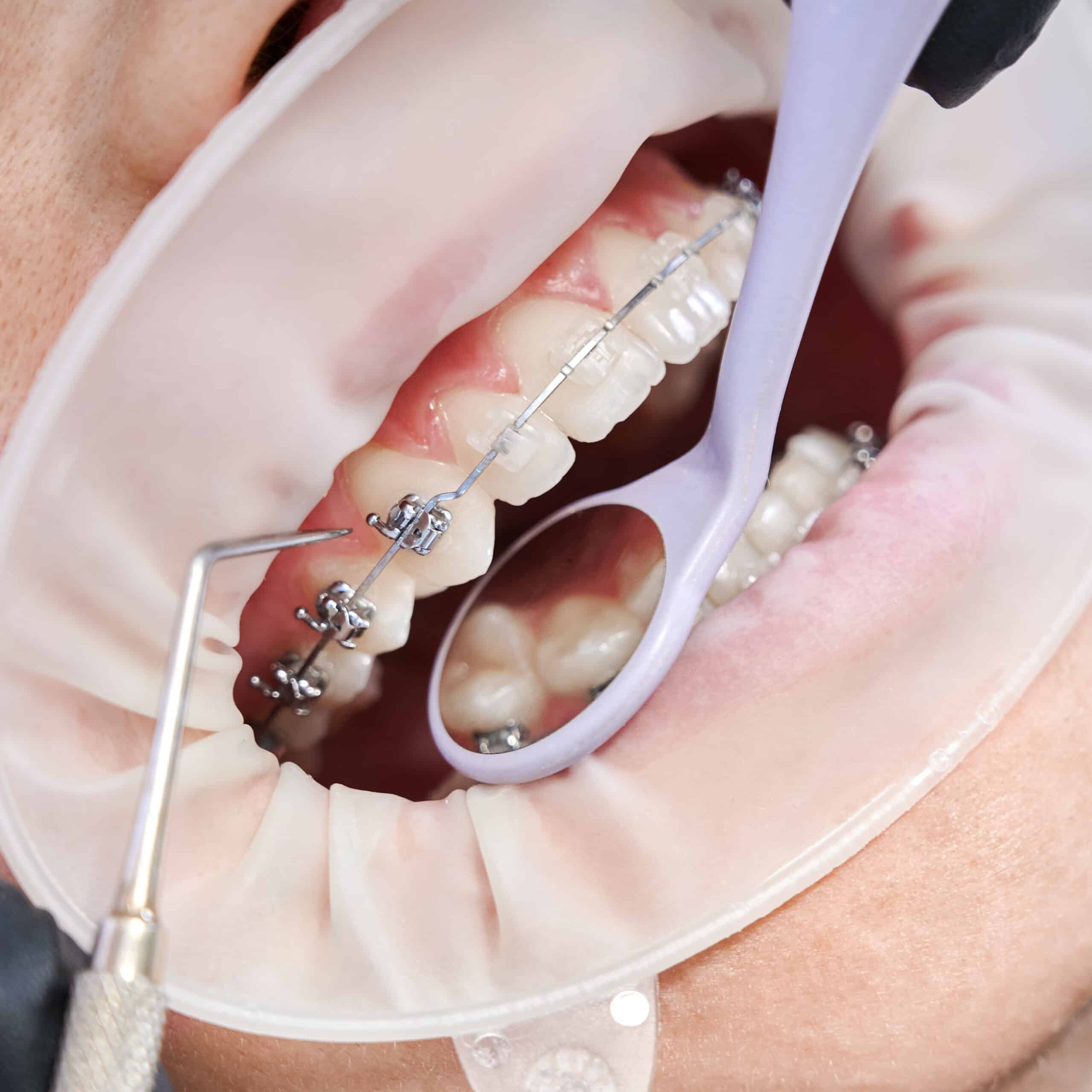
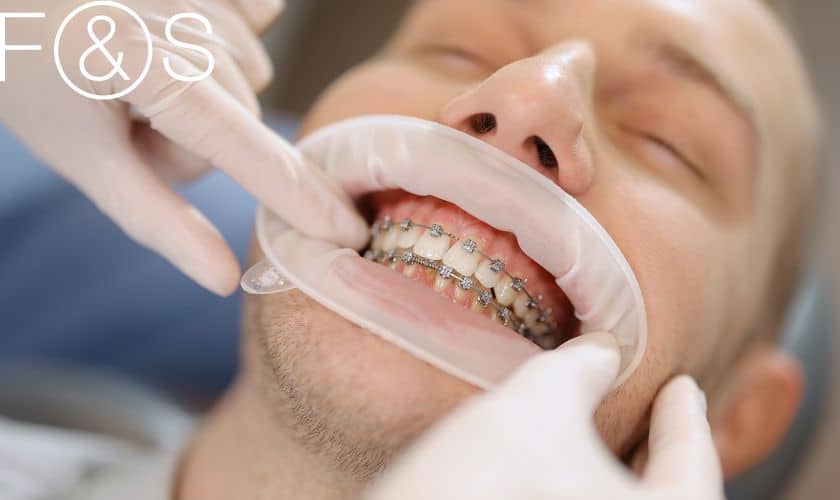
Orthodontic treatment aims to correct the alignment of teeth and jaws, restoring them to a better aesthetic, function, and health. It is a specialized field of dentistry that requires orthodontic techniques such as braces or aligners to straighten teeth. An orthodontist is someone who specializes in diagnosing, preventing, and treating malocclusions (the misalignment of the teeth). They work with other dental professionals and surgical specialists to provide comprehensive care for their patients. In order for an orthodontic treatment plan to be successful, there are several objectives that must be met.
Learning about Orthodontic Treatment Objectives can help you understand how your orthodontist formulates your orthodontic treatment plan. Whether you’re considering orthodontic care or already undergoing it, understanding the objectives of orthodontic treatment will help ensure your teeth and jaws are properly aligned for a healthy, aesthetically pleasing smile.
Orthodontic Treatment Objectives
The primary objectives of orthodontic treatment are to restore the natural function of the mouth and improve aesthetic appearance by straightening misaligned teeth and jaws. Other important objectives include reducing wear on tooth enamel, preventing decay and gum disease, improving speech, and correcting facial deformities or asymmetry. By achieving these goals through surgical orthodontics, patients can experience increased self-confidence with their smiles as well as improved oral health.
Improve Aesthetics
A major goal of orthodontic treatment is to improve the aesthetic appearance of teeth and jaws by straightening misaligned teeth and correcting jaw deformities. This can help patients feel more comfortable with their smiles, resulting in increased confidence in social and professional situations. Orthodontic care can also reduce wear on tooth enamel caused by malocclusion, which helps preserve the natural beauty of your smile.
Increase Comfort
The goals of orthodontics include increasing comfort for those experiencing pain due to an improper bite or facial deformity. By aligning the teeth correctly, an orthodontist can reduce strain on the jaw muscles and increases the patient’s ability to chew and speak normally. Proper alignment also helps reduce the chances of gum disease, tooth decay, and other oral health problems.
Improve Overall Health
By correcting misalignment of the teeth or jaw, surgical orthodontics can help improve overall health by reducing strain on the muscles and joints associated with malocclusion. Orthodontic treatment can also reduce or eliminate many issues that lead to poor oral hygiene such as crooked teeth, crowded teeth, or gaps between teeth making it easier for patients to brush their teeth properly. This can help prevent gum disease and decay.
Conclusion
Orthodontic treatment aims to correct misaligned teeth and jaws in order to restore their function and improve the aesthetic appearance of the patient’s smile. By achieving these objectives, orthodontic treatment can increase comfort, reduce wear on tooth enamel, prevent gum disease and decay, improve speech, and correct facial deformity.
FAQs
1. What are the objectives of orthodontic treatment?
The primary objectives of orthodontic treatment are to restore the natural function of the mouth and improve aesthetic appearance by straightening misaligned teeth and jaws. Other important objectives include reducing wear on tooth enamel, preventing decay and gum disease, improving speech, and correcting facial deformities or asymmetry.
2. Who performs surgical orthodontics?
An orthodontist is a specialist who does surgical orthodontics. They use braces and other appliances to straighten the teeth and jaws, as well as surgical procedures if needed.
3. How can orthodontic treatment improve overall health?
By correcting misalignment of the teeth or jaw, surgical orthodontics can help improve overall health by reducing strain on the muscles and joints associated with malocclusion. Orthodontic treatment can also reduce or eliminate many issues that lead to poor oral hygiene such as crooked teeth, crowded teeth, or gaps between teeth making it easier for patients to brush their teeth properly. This can help prevent gum disease and decay.