Referral

Losing a tooth can feel like a small thing at first. Maybe it happened after an injury, a long-running gum problem, or an extraction years ago. You work around it. You chew on the other side and smile a little differently.
But a missing tooth rarely stays a small thing. The surrounding teeth drift, the bone beneath the gap slowly shrinks, and eating gets harder than it should be. Dental implants were designed to address exactly that, by replacing the tooth from the root up.
What Is a Dental Implant?
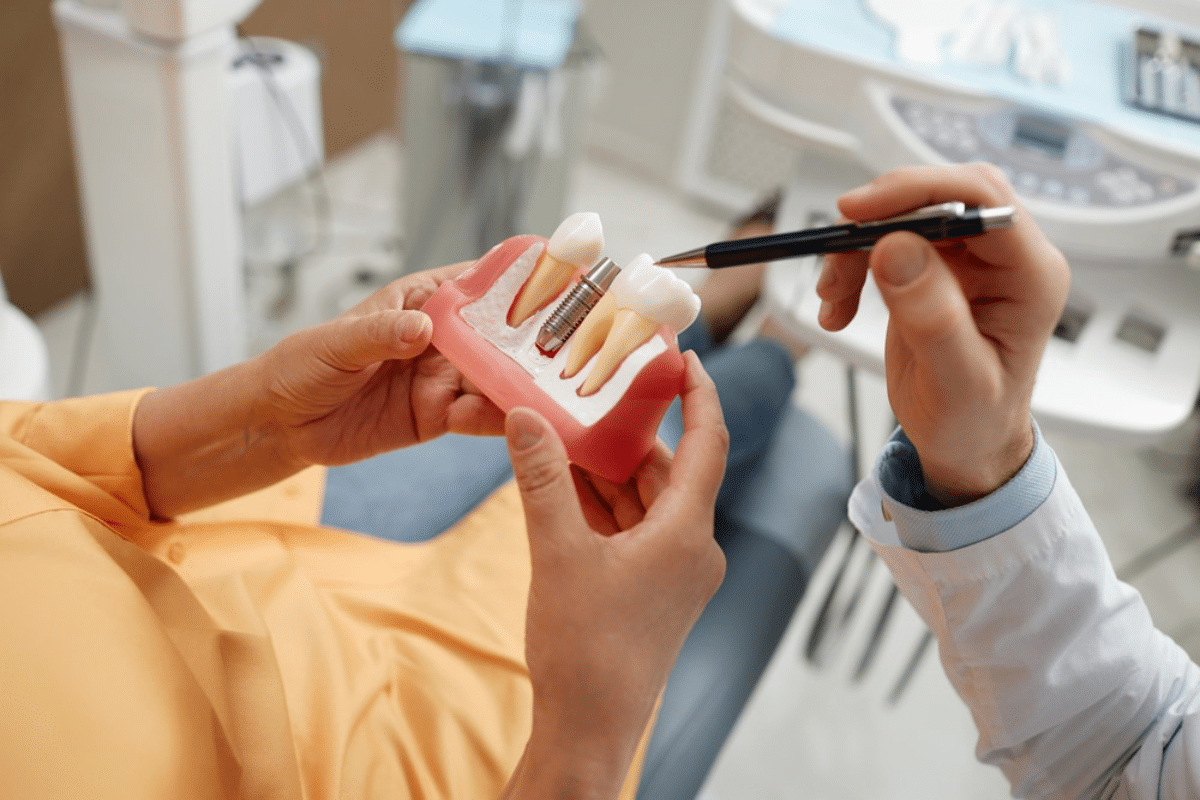
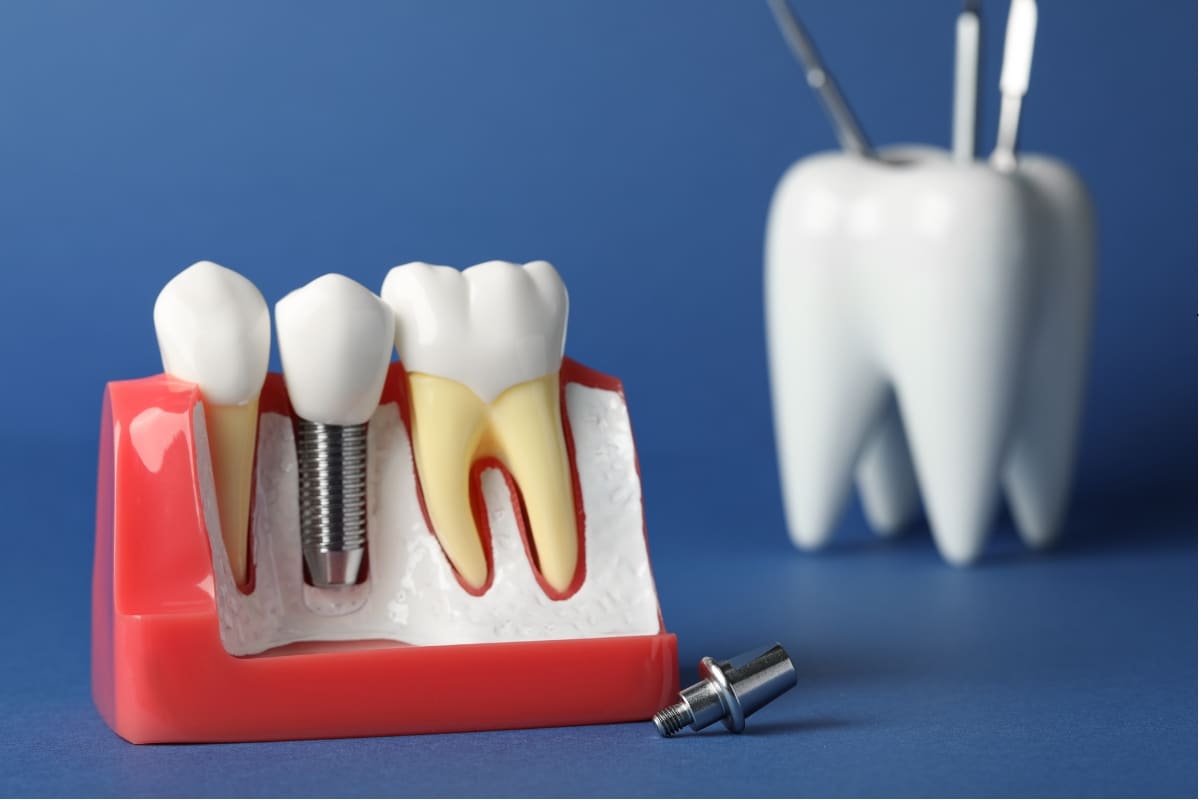
An implant is a small titanium post placed in the jawbone where the tooth root used to be. Over a few months, the bone bonds to the post, creating a stable anchor. A custom crown, bridge, or denture is then attached on top. Unlike removable options, it’s fixed in place and functions much like a natural tooth.
Benefits Worth Knowing About
- Natural look and feel. Crowns are shaped and shaded to match your neighboring teeth.
- Strong chewing power. You can enjoy foods that dentures often make difficult, from steak to fresh apples at the Great York Fair.
- Jawbone protection. Tooth roots stimulate the bone. Without them, the bone can gradually shrink. Implants help preserve it.
- Neighbors left alone. Unlike a traditional bridge, an implant doesn’t require shaving down healthy adjacent teeth.
- Long-term durability. With good care, implants can last many years, often decades.
- Confidence. There’s no slipping, clicking, or adhesive to worry about.
Why a Periodontist Is a Natural Fit
Implant success depends heavily on the health of your gums and bone. Periodontists specialize in exactly those tissues. They complete additional years of training beyond dental school focused on gum disease, bone, and implant surgery. If you’re looking for a dental implant in York, working with a team that understands both the surgical and gum-health sides of the procedure helps set the stage for a more predictable result.
The Process, Step by Step
- Consultation and exam. We review your health history, take 3D imaging, and evaluate your gums and bone.
- Treatment planning. Dr. Daniel L.W. Fishel will discuss options, timelines, and costs, and coordinate with your general dentist when needed.
- Preparation, if needed. Some patients need a bone graft or gum treatment first to create a solid foundation.
- Implant placement. The post is placed under local anesthesia, with sedation options available if you prefer.
- Healing. Over a few months, the bone integrates with the implant. Many patients return to normal routines quickly.
- Final restoration. Your permanent crown, bridge, or denture is attached.
Are You a Good Candidate?
Most healthy adults are. You’ll want to have:
- Enough healthy jawbone, or be able to have bone grafting
- Healthy gums, or be willing to treat gum disease first
- Good overall health and no uncontrolled conditions that slow healing
- A commitment to oral hygiene and regular checkups
Smoking can lower success rates, and we’ll talk through that honestly if it applies to you.
Caring for Your Implant
Implants can’t get cavities, but the gums and bone around them can become inflamed. This condition, called peri-implantitis, is the main threat. To protect your investment:
- Brush twice a day and clean between teeth daily
- Use interdental brushes or a water flosser around the implant
- Skip tobacco
- Keep up with professional cleanings and exams
- Tell us about any soreness, bleeding, or looseness right away
A Local Choice for Local Smiles
Between work in York, family in Red Lion, and weekends on the Heritage Rail Trail, nobody has time for complicated dental care. Choosing a dental implant in York from a practice with offices in both communities means fewer long drives and easier follow-up visits.
Frequently Asked Questions
1. Is getting an implant painful?
The procedure is done under anesthesia, and most patients report mild to moderate soreness afterward, which is manageable with medication.
2. How long does the whole process take?
It varies. Healing alone can take a few months, and bone grafting may extend the timeline. We’ll give you a personalized schedule.
3. How long do implants last?
The implant itself can last for decades with proper care. The crown may eventually need replacement due to normal wear.
4. Is it better than a bridge or denture?
Each has its place. Implants are often favored for stability and bone preservation, while other options may be quicker or less costly. We’ll help you weigh them.
5. Does insurance cover implants?
Coverage varies. Our team can review your benefits and discuss payment options.
Ready to Fill the Gap?
If a missing tooth is changing how you eat or smile, you have options. Contact F&S Orthodontics and Periodontics to schedule an implant consultation at our Red Lion or York office.
**Disclaimer: This content should not be considered medical advice and does not imply a doctor-patient relationship.