Referral


If you’re struggling with gum disease, your periodontist may recommend a procedure known as root surface debridement. This treatment, which is a critical part of gum disease therapy, aims to remove harmful plaque and tartar from your tooth roots to restore gum health. In this blog, we’ll break down what root surface debridement is, how it’s performed, and how a York periodontist can help in treating gum disease effectively.
What Is Gum Disease and How Does It Affect Your Teeth?
Gum disease, also known as periodontal disease, is caused by harmful bacteria that attack the gums and tooth structure. Plaque, a sticky film of bacteria, builds up on the teeth and, if left untreated, can harden into tartar. Once tartar forms, it becomes difficult to remove with regular brushing and flossing. As the infection progresses, it can lead to several concerning symptoms:
-
Gum recession: The gums pull away from the teeth.
-
Deep gum pockets: Spaces between the gums and teeth where bacteria thrive.
-
Tooth sensitivity: Exposed tooth roots can cause discomfort.
-
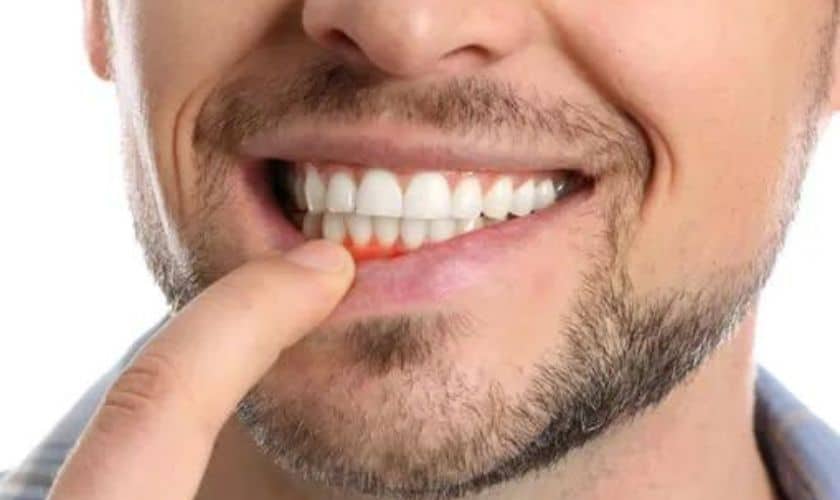
Bleeding gums: Gums may bleed easily when brushing or flossing.
-
Loose teeth: Severe gum disease can cause teeth to become loose.
The goal of treatment, including root surface debridement, is to eliminate the plaque and tartar that cause gum disease, helping to restore gum health and reduce the severity of these symptoms.
What to Expect from Root Surface Debridement
Root surface debridement, or scaling and root planing, is a procedure designed to remove plaque, tartar, and bacteria from the root surfaces of your teeth. Here’s how a York periodontist performs the procedure:
1. Numbing the Gums
Before starting the procedure, your periodontist will apply a topical anesthetic to numb your gums, ensuring that the process is as comfortable as possible.
2. Scaling and Root Planing
The periodontist uses specialized tools to remove plaque and tartar buildup from the surface of your tooth roots. Scaling involves dislodging the tartar from below the gum line, while root planing smooths the surface of the tooth roots to promote gum reattachment.
3. Rinsing and Cleaning
During the procedure, your periodontist will frequently rinse out the gum pockets to flush away the debris, ensuring a thorough cleaning.
4. Antibiotics (for Severe Cases)
In cases of severe gum disease, your periodontist may apply antibiotics to the gums to target lingering bacteria. This medication helps to control the infection and support healing.
5. Regeneration of Gum Tissue
As the procedure removes the plaque and tartar, it stimulates the regeneration of gum tissue. Over time, the gum pockets reduce in size, and the gums reattach to the tooth roots, improving gum health.
Advances in Root Surface Debridement
Traditionally, scaling and root planing were done using mechanical tools. However, modern periodontists, including those at F&S Orthodontics and Periodontics, often use ultrasonic tools to break up and remove tartar. Ultrasonic devices use high-frequency vibrations to dislodge plaque and tartar, providing a less invasive and more comfortable alternative to traditional mechanical tools.
Why Choose a York Periodontist for Root Surface Debridement?
A periodontist is a dental specialist trained to treat gum disease and related conditions. They have advanced knowledge and experience in performing root surface debridement and other periodontal treatments. Choosing a York periodontist ensures that you receive expert care for your gum disease, whether it’s in its early stages or more severe.
At F&S Orthodontics and Periodontics, we use the latest technology and techniques to provide safe, effective treatments. If you’re experiencing any symptoms of gum disease, such as bleeding gums or tooth sensitivity, scheduling an appointment with a periodontist could help prevent further damage and restore your gum health.
Conclusion
Root surface debridement is a highly effective procedure used by periodontists to treat gum disease and restore the health of your gums. By removing harmful plaque and tartar, this treatment helps reduce gum pockets, promote gum regeneration, and improve overall oral health. If you’re suffering from symptoms of gum disease, consider consulting with a periodontist at F&S Orthodontics and Periodontics. Our team is dedicated to providing the best care to help you maintain healthy teeth and gums. For more information or to schedule an appointment, visit our website.
**Disclaimer: This content should not be considered medical advice and does not imply a doctor-patient relationship.