Referral

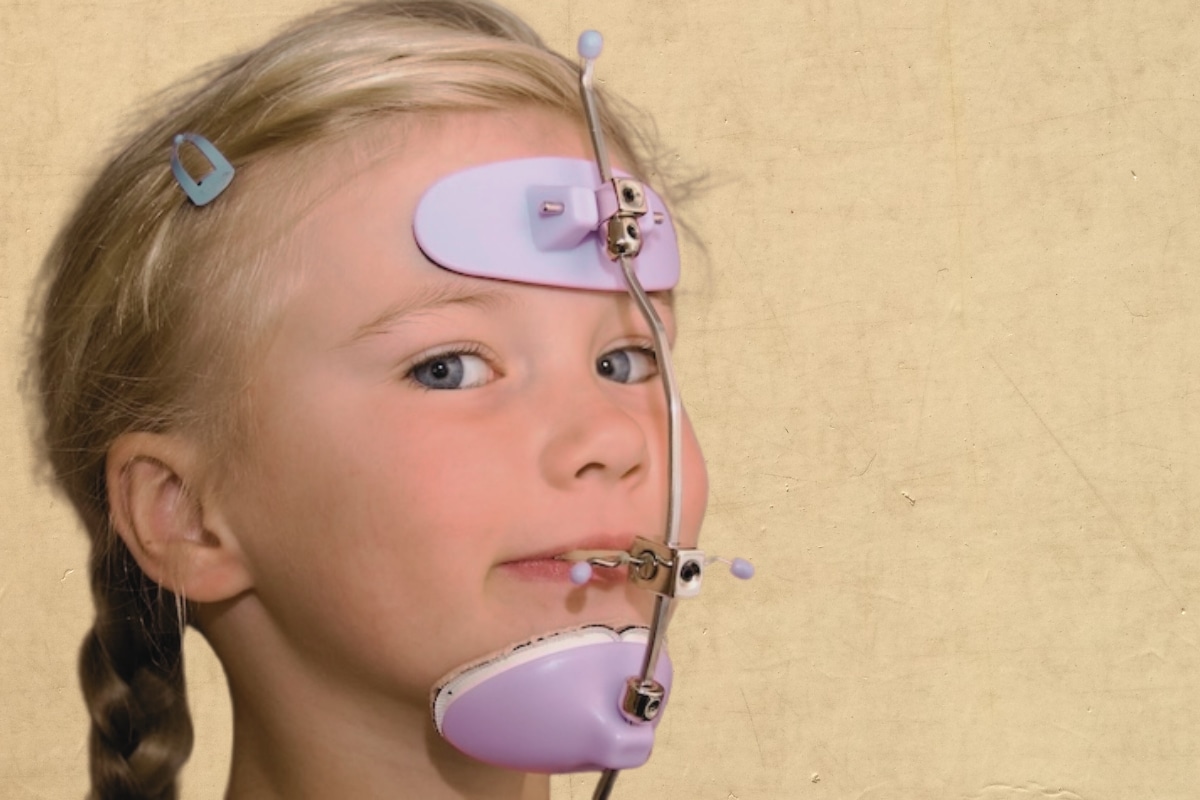
If your child has just had reverse headgear fitted or your orthodontist has recommended this treatment, you may be wondering what to expect. Reverse headgear is a highly effective solution for bite issues, such as underbites, and it can be especially beneficial during early growth stages. This article will guide you through the process, from the initial discomfort to long-term results, and explain how reverse headgear can improve both the appearance and functionality of your child’s smile.
What Is Orthodontic Reverse Headgear?
Reverse headgear is a dental appliance worn externally to correct bite discrepancies. Typically, it consists of elastics connected to an appliance attached to the upper teeth. The headgear helps move the upper jaw forward and downward, correcting bite issues, especially in younger patients whose jaw connections are still developing. This appliance is most effective when used during the ages of 6-11, a period when the upper jaw can still be adjusted.
First Few Days With Reverse Headgear
After the reverse headgear is fitted, your child may experience some discomfort. This is normal as the teeth and jaw adjust to the appliance. It’s common to feel soreness in the teeth, chin, or under the chin pad in the early days.
Here’s how to help your child adjust:
- Start Slowly: Begin with wearing the headgear for a few hours after school and gradually increase wear time. Within 1-2 weeks, your child should be comfortable wearing it at night.
- Pain Relief: Over-the-counter medications can help alleviate discomfort during this adjustment period.
- Sleeping with Reverse Headgear: If your child struggles to fall asleep with the headgear on, you can use pillows to help alleviate pressure and provide comfort while lying down.
Eating and Drinking with Reverse Headgear
Reverse headgear needs to be removed before eating or drinking. However, your child can drink water through a straw while wearing the appliance. This makes it easier to maintain hydration without removing the headgear each time.
How Effective Is Reverse Headgear?
Parents often question whether reverse headgear is really necessary, especially given its external appearance. However, this appliance is recommended primarily for younger patients with significant bite issues. By addressing jaw misalignment early, reverse headgear helps prevent more severe complications down the line.
Here’s why reverse headgear is so important:
- Early Intervention: Correcting an underbite at a young age is much more effective than waiting for the problem to worsen. If the issue isn’t addressed early, it may require more invasive treatments, such as jaw surgery, later in life.
- Short-Term Improvements: Most patients see significant improvements within 3-6 months of using the appliance. However, in some cases, lower jaw growth during puberty (ages 11-13 in females and 13-15 in males) can cause the underbite to reoccur. In such cases, your orthodontist may recommend additional treatments or, in more serious situations, jaw surgery.
How Often Should Reverse Headgear Be Worn?
One of the most common questions parents have about reverse headgear is how much time their child needs to wear it each day. Typically, reverse headgear should be worn for 8 to 14 hours per day, depending on your child’s treatment plan. Consistency is key to achieving the best results.
- Initial Results: Most patients begin to see progress within 3-6 months, but the amount of time it takes will depend on how often the headgear is worn.
- Cooperation is Crucial: Success depends on how well your child follows the orthodontist’s instructions. The more consistently the headgear is worn, the quicker the treatment will be completed.
Moving Forward With Reverse Headgear
Now that you know what to expect from the treatment, it’s important to stay committed to your child’s orthodontic plan. If you have concerns about your child’s comfort or adherence to wearing the headgear, your orthodontist can help create a personalized schedule to ensure the best results.
If you’re looking for more information or need guidance on managing the process, feel free to reach out to the experts at F&S Orthodontics and Periodontics. We’re here to answer any questions you have about orthodontic treatments and help you through each step of your child’s journey to a healthier, more confident smile.
Conclusion
Reverse headgear can be a highly effective solution for treating bite issues like underbites, especially when started during a child’s early growth stages. By following the prescribed treatment plan and ensuring consistent wear, you can help your child achieve lasting improvements in their bite and smile. If you have any questions or concerns about the treatment, don’t hesitate to contact our orthodontist office in York.
**Disclaimer: This content should not be considered medical advice and does not imply a doctor-patient relationship.