Referral

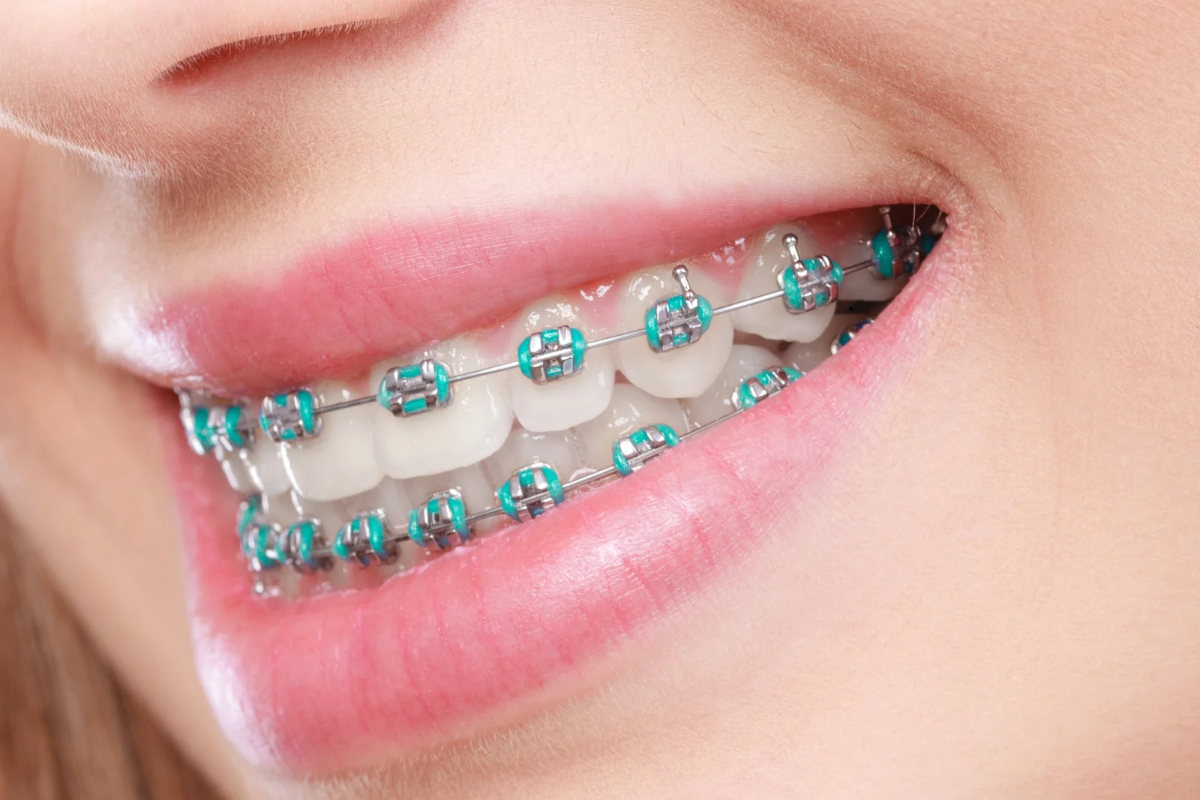
When most people picture braces, they picture a photo-ready smile. That’s a fair reason to get them. But straight teeth are only part of the story. A well-aligned bite can change how you chew, how you clean your teeth, how you speak, and even how comfortable you feel walking into a room.
Whether you’re a parent in Red Lion thinking about your middle-schooler’s crowded teeth, or an adult who always wished you’d had them as a teen, here’s a practical look at what braces can do for your overall well-being.
Why Alignment Matters Beyond Looks
Teeth that are crowded, rotated, or spaced unevenly can create problems that aren’t obvious at first:
- Harder cleaning. Overlapping teeth create tight spots where a toothbrush and floss struggle to reach. Plaque can build up there and lead to cavities or gum irritation.
- Uneven wear. A bite that doesn’t meet properly can put extra pressure on certain teeth, causing chips, cracks, or flattened surfaces over time.
- Chewing trouble. Some bite problems make it uncomfortable to bite into foods like crusty bread, apples, or a Central Market sandwich.
- Jaw strain. An uneven bite may contribute to jaw soreness or headaches for some people.
- Speech concerns. Gaps and bite issues can sometimes affect how certain sounds are formed.
Braces gradually guide teeth and jaws into healthier positions, which can make everyday life a little easier.
The Confidence Factor
This one is hard to measure but easy to notice. Teens who once covered their mouths in photos start smiling at the school pep rally. Adults who avoided eye contact in meetings begin speaking up. Feeling good about your smile affects how you carry yourself, and that’s part of well-being too.
Types of Braces
Today’s options are more varied than the “metal mouth” of past decades:
- Traditional metal braces: durable, effective for a wide range of cases, and often the most budget-friendly.
- Ceramic braces: tooth-colored brackets that blend in more.
- Clear aligners: removable, nearly invisible trays that suit certain bite types.
The right choice depends on your bite, your age, your lifestyle, and your goals. An exam and records, like photos and X-rays, help us recommend a plan that fits.
When Should Treatment Begin?
The American Association of Orthodontists recommends an initial orthodontic check-up around age 7. That doesn’t mean braces at 7. It simply gives your orthodontist a chance to spot developing problems and decide whether early intervention would help or whether to simply monitor growth.
Adults are welcome too. Healthy teeth can move at any age, and a growing number of adults in the area are getting treatment.
What to Expect Day to Day
Most treatment lasts roughly 18 to 24 months, though every case is different. You’ll typically visit every several weeks for adjustments. Expect some soreness for a day or two after each visit. Soft foods, cold water, and over-the-counter pain relievers (as directed by your provider) help.
Tips for Keeping Teeth Healthy With Braces
- Brush after meals and before bed, using a soft brush and fluoride toothpaste.
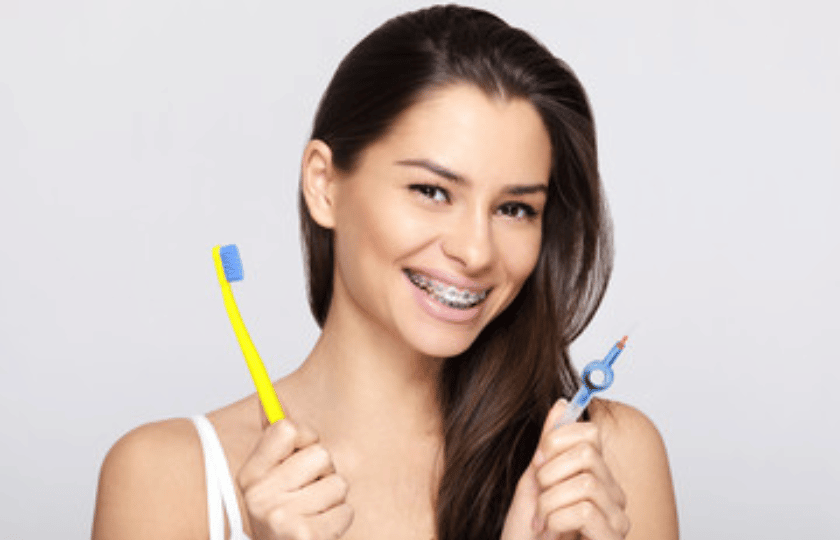
- Use floss threaders, interdental brushes, or a water flosser to clean around wires.
- Avoid hard, sticky, and chewy foods, such as popcorn kernels, caramel, and hard pretzels. (York is pretzel country, so this one can be a challenge.)
- Limit sugary drinks and snacks. Sugar lingers around brackets.
- Wear a mouthguard for sports. Friday night football and spring lacrosse are part of life here.
- Keep every scheduled appointment. Skipping visits is the quickest way to slow progress.
- Wear your retainer as directed once treatment ends.
Why Local Care Makes a Difference
Orthodontic treatment is a long-term relationship, so convenience counts. If you’re comparing braces, consider how easy it is to get to appointments between school, work, and sports practice. Our team sees patients at both our Red Lion and York offices, which can help families fit visits into busy weeks without losing an afternoon to travel.
Dr. Daniel L.W. Fishel and our team also take time to explain each step, so patients and parents always know what’s happening and why. Many of our patients are also surprised by how many payment and insurance options exist. If you’re researching braces in York, ask us about financing and benefit coverage during your first visit.
Frequently Asked Questions
1. Do braces hurt?
Braces aren’t painful all the time, but your teeth and gums may feel sore for a few days after they’re placed and after adjustments. That usually fades quickly.
2. Can I play a musical instrument with braces?
Yes. There’s a short adjustment period, especially with wind instruments, but most students adapt in a few weeks. Band members at Red Lion Area schools do it all the time.
3. How much do braces cost?
Cost varies with the complexity and length of treatment. We’ll go over your estimate and insurance benefits at your consultation.
4. Will I need a retainer?
Almost always. Teeth tend to drift back without one, so retainers protect your results.
5. Am I too old for braces?
Not at all. Healthy gums and bone are what matter most, not your age.
Take the First Step
Better alignment can support a healthier mouth and a more confident you. If you or your child are curious about braces, schedule a consultation at F&S Orthodontics and Periodontics or call the office nearest you.
**Disclaimer: This content should not be considered medical advice and does not imply a doctor-patient relationship.