
Referral

What is Upper Airway Resistance Syndrome (UARS)?
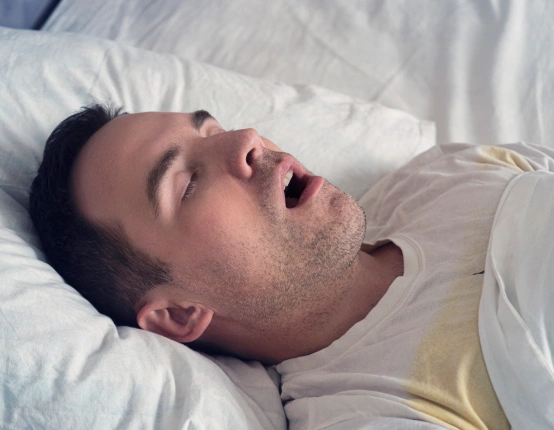
Upper Airway Resistance Syndrome (UARS) arises when the soft tissues in the throat relax, leading to a narrowed airway and heightened breathing effort. Remarkably, these are the identical conditions that give rise to OSA. Though the symptoms and severity may differ, UARS remains a serious medical concern, and if disregarded, it can advance into OSA.
Schedule Your UARS Consultation
Common Symptoms of UARS:
- Chronic insomnia
- Daytime sleepiness
- Fatigue
- Frequent awakenings
- Low blood pressure
- Unrefreshing sleep
UARS, akin to OSA, limits the airflow during sleep, yet the level of resistance falls below the threshold for diagnosing Obstructive Sleep Apnea. Nevertheless, UARS can still lead to awakenings and disrupt the sleep cycle, resulting in many symptoms similar to those observed in OSA.
Oral Appliance Therapy
Oral Appliance Therapy (OAT) employs a custom-fitted dental appliance, resembling a retainer, to promote unobstructed airflow during sleep. By positioning the lower jaw forward, it gently shifts the base of the tongue, ensuring the airway remains open throughout sleep. This compact, non-powered device requires no hoses or pumps. However, it’s important to note that not all instances of UARS are suitable for oral appliance treatment. Patients seeking an alternative to CPAP should consult a qualified physician to assess the appropriateness of oral appliance therapy for their specific case.
Treatments:
- During the initial visit, schedule screening and a home sleep test.
- The home sleep test results will be reviewed by a board-certified sleep physician, who will provide a diagnosis and recommend appropriate therapy.
- Receive a custom-made oral appliance for your specific needs.
- Enjoy easy follow-up maintenance once or twice a year for your continued comfort and success.
It is crucial not to confuse OAT with a drugstore snoreguard, as the latter is not FDA cleared for treating OSA. Using an unapproved device without professional supervision could worsen the condition and may lead to potentially serious complications. Always seek the care of a trained professional when dealing with OSA treatment.
Frequently Asked Questions About UARS
What is Upper Airway Resistance Syndrome (UARS)?
Upper Airway Resistance Syndrome, or UARS, is a sleep-disordered breathing condition in which the soft tissues in the throat relax during sleep, narrowing the airway and forcing the body to work harder to breathe. While UARS does not cause the complete breathing pauses seen in Obstructive Sleep Apnea (OSA), it still disrupts the sleep cycle and prevents restorative rest. At F&S Orthodontics and Periodontics, we evaluate and treat UARS to help patients restore healthy sleep before the condition progresses.
What are the most common symptoms of UARS?
Common symptoms of UARS include chronic insomnia, daytime sleepiness and fatigue, frequent nighttime awakenings, unrefreshing sleep, morning headaches, difficulty concentrating, anxiety or depression, and low blood pressure. Unlike OSA, UARS patients often do not snore loudly or have witnessed breathing pauses, which can make the condition harder to recognize. If you consistently wake up tired despite a full night in bed, it's worth scheduling an evaluation with us.
How is UARS different from Obstructive Sleep Apnea (OSA)?
UARS and OSA both involve a narrowed airway and increased breathing effort during sleep, but they differ in severity. OSA causes complete or near-complete airway obstructions that lead to drops in blood oxygen levels and full breathing pauses. UARS involves partial airway narrowing that increases breathing effort and causes brief arousals from sleep without meeting the diagnostic criteria for OSA. Despite being a milder condition on paper, UARS can cause symptoms just as disruptive as OSA and may progress into OSA if left untreated.
How is UARS diagnosed?
UARS is typically diagnosed through a combination of a clinical evaluation and a home sleep test or in-lab sleep study. At F&S Orthodontics and Periodontics, your initial visit will include a screening and the scheduling of a home sleep test. The results are then reviewed by a board-certified sleep physician, who will provide a diagnosis and recommend the most appropriate treatment based on the severity of your condition and your overall health.
What is Oral Appliance Therapy (OAT) and how does it treat UARS?
Oral Appliance Therapy uses a custom-fitted dental device, similar in appearance to a retainer, to keep the airway open during sleep. The appliance gently positions the lower jaw slightly forward, which shifts the base of the tongue away from the back of the throat and prevents airway collapse. OAT is compact, comfortable, silent, and does not require hoses, masks, or electricity. It's a popular treatment for UARS and mild to moderate OSA, especially for patients who cannot tolerate CPAP therapy.
Can UARS develop into Obstructive Sleep Apnea if left untreated?
Yes. UARS is often considered a precursor to OSA, and many patients who don't receive treatment go on to develop full-blown obstructive sleep apnea over time. Factors like aging, weight gain, and changes in muscle tone can cause UARS to progress. Treating UARS early helps prevent this progression and reduces the risk of long-term health complications such as high blood pressure, heart disease, and metabolic disorders associated with chronic sleep deprivation.
What does follow-up care look like after starting Oral Appliance Therapy?
Follow-up care for Oral Appliance Therapy is simple and minimally disruptive. After receiving your custom-made device, you'll have an initial follow-up to ensure proper fit and comfort, with occasional adjustments as your body adapts. After that, most patients only need to visit our Red Lion & York office once or twice a year for routine maintenance, appliance evaluations, and to confirm continued effectiveness. Our team is always available if you experience any issues or have questions between appointments.