Referral

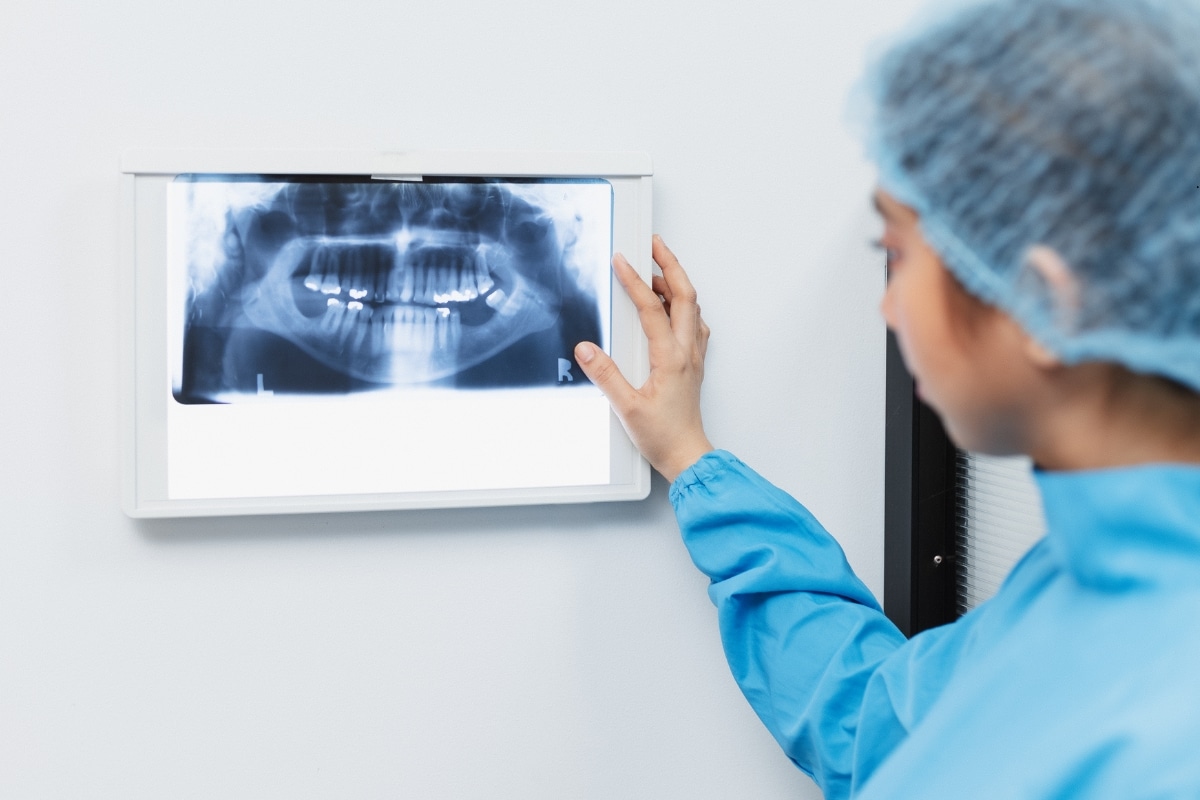
Digital technology has dramatically transformed the field of orthodontics, enhancing precision, efficiency, and patient experience. Digital orthodontic scans, including digital impressions and data, have become essential to modern treatments. This article explores the numerous benefits of using digital scans, ranging from improved accuracy to enhanced patient education and cost-effectiveness.
Benefits of Digital Orthodontic Dental Scans
1. Precision Through Digital Impressions
- Elimination of Traditional Impressions: Digital orthodontic scans replace the often uncomfortable process of taking physical impressions with putty-like materials. This transition offers a more pleasant experience for patients, contributing to a positive overall orthodontic journey.
- Exact 3D Replication: Digital scans create precise 3D models of the patient’s teeth and oral structures. This level of accuracy allows orthodontists to plan and execute treatments more effectively, resulting in better outcomes.
- Real-time Adjustments: Orthodontists can evaluate digital impressions instantly and make necessary modifications. This real-time feedback enhances the accuracy of the impressions and facilitates quick adjustments to treatment plans.
2. Efficient Digital Records
- Streamlined Data Storage: Digital orthodontic scans generate comprehensive, easily accessible records. Orthodontists can store, retrieve, and share patient data efficiently, leading to a more organized workflow.
- Improved Communication: Digital records enable better communication among orthodontic team members. This collaborative approach results in more coherent and coordinated patient care.
- Integration with Treatment Planning Software: Digital records seamlessly integrate with treatment planning software, allowing orthodontists to visualize and plan treatments with greater accuracy. This integration enhances treatment efficiency and outcomes.
3. Patient Education and Engagement
- Visual Depiction of Treatment Plans: Digital orthodontic scans provide patients with a visual representation of their current oral condition and proposed treatment plans. This clarity improves patient understanding and engagement, promoting informed decision-making.
- Interactive Treatment Discussions: Orthodontists can use digital scans to facilitate interactive discussions with patients. This personalized approach encourages collaboration in decision-making, leading to a more engaging orthodontic experience.
- Virtual Treatment Simulations: Many digital orthodontic platforms offer virtual treatment simulations, allowing patients to preview potential outcomes. This visual insight helps manage expectations and motivates patients throughout their treatment journey.
4. Cost-Effectiveness
- Lower Material Costs: Digital orthodontic scans eliminate the need for traditional impression materials, reducing associated costs. This cost-effectiveness helps make orthodontic services more accessible.
- Reduced Retakes: The precision of digital impressions minimizes the need for retakes, saving time and resources. Orthodontists can optimize their practices while providing a streamlined patient experience.
- Improved Practice Efficiency: The efficiency of digital orthodontic scanning saves valuable time for both practitioners and patients. With shorter appointment durations, orthodontists can accommodate more visits, enhancing office productivity.
5. Enhanced Patient Experience
- Comfortable and Non-invasive: Digital orthodontic scans are more comfortable and non-invasive compared to traditional methods. Patients report less discomfort, contributing to a more favorable orthodontic experience.
- Faster Process: Digital scans can be captured quickly, meaning patients spend less time in the orthodontic chair. This efficiency enhances overall patient satisfaction.
- Reduced Anxiety: The elimination of traditional impression materials and the instant nature of digital scans can alleviate anxiety for patients who find conventional methods daunting. A calmer patient experience fosters better cooperation and compliance.
Conclusion
Digital orthodontic dental scans significantly enhance the field of orthodontics, offering numerous advantages that improve precision, efficiency, and patient satisfaction. Clinics that adopt digital technology are better positioned to provide streamlined, patient-centered care—from eliminating traditional impression materials to integrating digital records seamlessly.
The positive impact on treatment planning, patient education, and cost-effectiveness underscores the transformative potential of digital orthodontic scans in reshaping the future of orthodontics. As technology advances, these innovations are expected to play an increasingly vital role in optimizing orthodontic care for practitioners and enhancing the overall patient experience. To know more Visit Orthodontist Office in York.
**Disclaimer: This content should not be considered medical advice and does not imply a doctor-patient relationship.