Referral


We delve into the world of oral health or Red Lion & York orthodontics! Today, we’re going to shine a spotlight on those elusive third molars – yes, we’re talking about wisdom teeth. If you’ve ever wondered why they can cause so much trouble or what exactly goes on during a wisdom tooth extraction, you’ve come to the right place.
Why Do Wisdom Teeth Need To Be Extracted?
Impacted wisdom teeth can cause a range of issues. They may grow at an angle towards adjacent teeth or push against existing ones, leading to crowding and misalignment. In some cases, they only partially erupt through the gum tissue, creating a pocket where bacteria can accumulate and potentially cause infections or inflammation.
Furthermore, impacted wisdom teeth can exert pressure on surrounding structures like nerves and sinuses, causing pain or discomfort. Cysts or tumors may also develop around impacted wisdom teeth if left untreated.
Common Signs & Symptoms of Impacted Wisdom Teeth
Impacted wisdom teeth can cause a range of uncomfortable symptoms, making it crucial to identify them early on. Here are some common signs that may indicate impacted wisdom teeth:
1. Pain and Discomfort: One of the most noticeable symptoms is persistent pain in the back of your mouth where the wisdom teeth are located. This discomfort can radiate to nearby areas such as the jaw, ear, or neck.
2. Swelling and Redness: If you notice swelling or redness around your gums at the back of your mouth, it could be a sign that your wisdom teeth are impacted.
3. Tender or Bleeding Gums: Impacted wisdom teeth can put pressure on surrounding gum tissue, leading to tenderness and even bleeding when brushing or flossing.
4. Difficulty Opening Your Mouth: As impacted wisdom teeth continue to grow beneath the surface, they may restrict jaw movement and make it challenging to open your mouth fully.
5. Persistent Bad Breath: When food particles become trapped around partially erupted wisdom teeth, bacteria can thrive, causing chronic bad breath that doesn’t improve with oral hygiene measures.
6. Headaches and Jaw Stiffness: The pressure from impacted wisdom teeth can contribute to headaches as well as stiffness in the jaw joint (TMJ), resulting in difficulty chewing or speaking comfortably.
7. Sinus Problems: In some cases, impacted upper wisdom teeth can lead to sinus issues like congestion or pain due to their proximity to sinus cavities.
The Extraction Process: A Step-By-Step Guide
Here is a step-by-step guide to help you understand the extraction process.
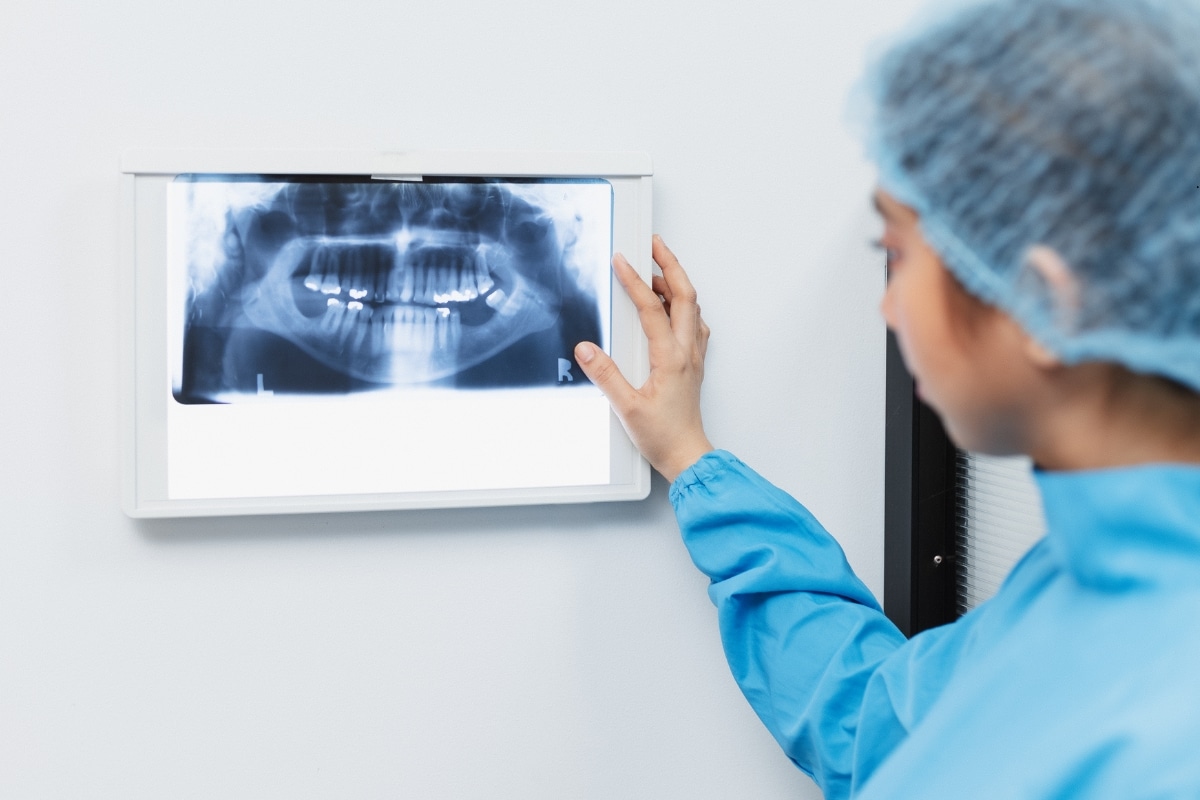
1. Evaluation: Before the extraction, your orthodontist will conduct a thorough evaluation of your mouth and take X-rays to determine the position of your wisdom teeth.
2. Anesthesia: To ensure you don’t feel any pain during the procedure, local anesthesia or sedation will be administered. Your comfort and safety are always a top priority!
3. Incision: The oral surgeon will make an incision in the gum tissue covering the tooth, if necessary, to access it properly.
4. Tooth Removal: Using specialized tools, such as forceps or dental elevators, the dentist will gently loosen and remove the tooth from its socket.
5. Stitches: In some cases where an incision was made, stitches may be needed to close up the wound properly.
6. Recovery: Afterward, you’ll be given instructions on how to care for your mouth during recovery as well as prescriptions for any necessary medication.
Recovery & Aftercare Tips
Now that you have a better understanding of wisdom tooth extraction, it’s important to know how to take care of yourself after the procedure. Here are some recovery and aftercare tips to help ensure a smooth healing process:
1. Follow your orthodontist’s instructions: Your orthodontist will provide you with detailed post-operative instructions. It is crucial to follow them carefully to minimize any complications or discomfort.
2. Take prescribed pain medication: You may experience some pain or discomfort after the extraction. Your Red Lion & York orthodontist may prescribe pain medication to help manage this. Make sure to take it as directed.
3. Apply cold compresses: Swelling is common following wisdom tooth extraction. Applying cold compresses to the affected area can help reduce swelling and alleviate discomfort.
4. Maintain good oral hygiene: While it’s important not to brush or rinse your mouth too vigorously immediately after the surgery, maintaining good oral hygiene is still essential for proper healing. Gently rinse your mouth with salt water several times a day starting 24 hours after the procedure.
5. Stick to soft foods: For the first few days following wisdom tooth removal, stick to soft foods like soups, mashed potatoes, yogurt, and smoothies that don’t require much chewing.
6. Avoid smoking and alcohol consumption: Smoking delays healing and increases the risk of infection, so it’s best to avoid cigarettes altogether during recovery. Additionally, alcohol can interfere with certain medications you may be taking post-extraction, so abstain from drinking until you’ve fully healed.
Consultation Appointment:
- Schedule a consultation with your orthodontist to discuss wisdom teeth early, even before any issues arise. This allows for proactive planning and avoids potential scheduling conflicts later.
- During the consultation, discuss your availability for the extraction procedure itself.