Referral

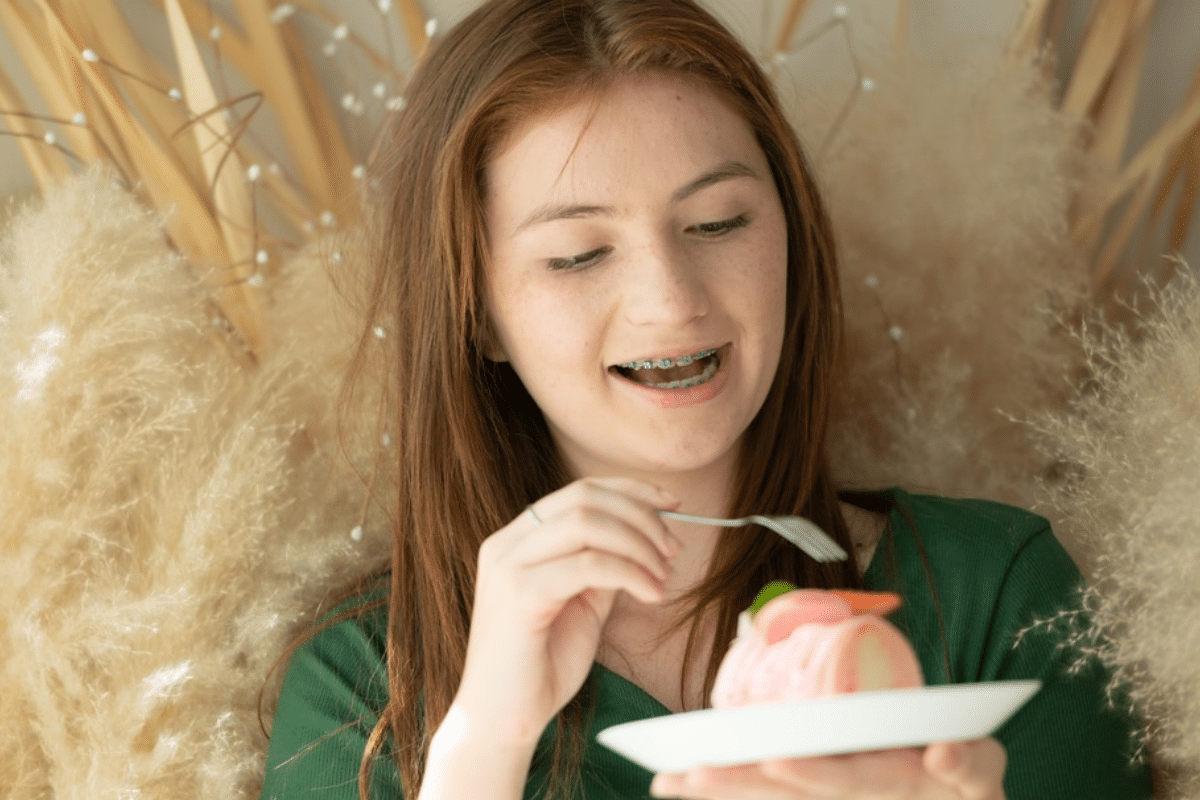
Getting braces is a big step towards a beautiful smile, but it also comes with a few lifestyle adjustments. One of the biggest changes involves your diet. While you may be excited about your new braces, it’s important to be mindful of the foods you eat to ensure your treatment progresses smoothly. At F&S Orthodontics and Periodontics in York, we’ve put together this guide on what foods to avoid while wearing braces, so you can take care of your orthodontic health and avoid any unnecessary issues.
Foods to Avoid During the First Week of Braces
The first few days after getting braces can be uncomfortable as your teeth and gums adjust to the new pressure. To ease the discomfort and avoid damaging your braces, it’s crucial to stick to softer foods. Here are some options that are ideal during the initial period:
- Scrambled eggs
- Soup (preferably not too hot)
- Mashed potatoes
- Soft pasta (macaroni and cheese works well)
- Steamed or cooked vegetables (avoid raw)
- Oatmeal
- Soft cheeses
- Bananas or soft fruits (not hard or crunchy)
- Yogurt
While you may have a few cravings, it’s best to stick to these softer options during the first week. Don’t rush back into harder foods until your mouth feels more comfortable. Each patient’s pain tolerance is different, so listen to your body and eat at your own pace. If you’re not ready for certain foods, like ice cream or chewy bread, give yourself more time to adjust.
Foods to Avoid with Braces in General
Once you’ve passed the initial adjustment period, you’ll still need to avoid certain foods to ensure that your braces stay in good condition. Here’s a list of foods to steer clear of:
1. Sticky Foods
Sticky foods like caramel, taffy, or chewy candy can easily get stuck in the brackets and wires, making it tough to clean. These foods may also pull on the braces, risking damage.
2. Hard Foods
Hard foods such as nuts, popcorn, ice, and hard candies can break or damage your braces. They can also cause discomfort, so it’s best to avoid them.
3. Chewy Bread
Crusty bread, hard rolls, or French bread can be tough to chew with braces. If you love bread, stick to soft varieties, and avoid eating too much at once.
4. Crunchy Foods
Foods like raw vegetables, tough fruits (like apples or carrots), chips, and pretzels can be problematic for braces. The crunch can force your braces to shift, and small pieces may get stuck in the wires.
Can I Enjoy Certain Foods with Braces?
Many foods are still safe to eat with braces, but it’s important to be mindful of the texture and how easily they break down in your mouth. Here are some foods you can enjoy:
- Pizza: Choose a thin-crust pizza over a thick crust to make it easier on your braces.
- French Fries: Soft, non-burnt French fries are safe, but avoid overly crispy ones.
- Chips: Opt for less crunchy varieties, and enjoy them in moderation.
- Steak and Chicken: It’s fine to eat meat as long as it’s tender and cut into small pieces to avoid getting it stuck between your teeth.
- Salads: Avoid croutons, but enjoy the rest of the salad with ease.
- Chocolate: Soft chocolate is fine, but try to limit your intake of sugary foods to avoid cavities.
Tips for Eating with Braces
- Cut food into smaller pieces: Cutting hard or chewy food into bite-sized pieces can help reduce the stress on your braces and prevent damage.
- Chew slowly: Take your time and chew carefully to avoid putting unnecessary pressure on your braces.
- Stay hydrated: Drink plenty of water to help wash away food particles and keep your braces clean.
Conclusion
Maintaining your braces and avoiding certain foods will make your orthodontic treatment much more comfortable and effective. By following these guidelines, you’ll help protect your braces from damage and minimize the risk of discomfort during your treatment. If you’re unsure about a specific food or have questions about your braces, don’t hesitate to consult with the professionals at F&S Orthodontics and Periodontics. We’re here to help you maintain your oral health and enjoy a beautiful smile!
If you’re experiencing any issues with your braces in York or need a consultation, don’t hesitate to contact us. Our team at F&S Orthodontics and Periodontics in York is ready to guide you through every step of your orthodontic journey.
**Disclaimer: This content should not be considered medical advice and does not imply a doctor-patient relationship.