Referral

Have you ever run your tongue over your teeth and felt a fuzzy, sticky film? That’s dental plaque. You might also hear your dentist talk about “calculus” during a checkup. While these terms are often used together, they refer to two very different things.
Understanding the distinction is the first step toward achieving better oral health. Let’s dive into what plaque and calculus are, and explain why seeing a dentist Red lion, PA is essential for keeping your smile healthy and bright.
What is Dental Plaque?
Plaque is a soft, sticky, and mostly colorless film of bacteria that is constantly forming on your teeth and along the gum line.
How It Forms
When you eat or drink things containing sugars and starches, the bacteria in your mouth feast on them, producing acids. These acids, combined with bacteria, food particles, and saliva, create the sticky film known as plaque.
The Dangers of Plaque
If not removed, the acids in plaque attack your tooth enamel, which can lead to cavities. Plaque buildup along the gum line can also cause inflammation and irritation, a condition known as gingivitis, the earliest stage of gum disease.
The good news? Plaque can be removed with a solid daily oral hygiene routine of brushing twice a day and flossing daily.
What is Dental Calculus?
Calculus, more commonly known as tartar, is what happens when plaque is left to sit on your teeth for too long.
How It Forms
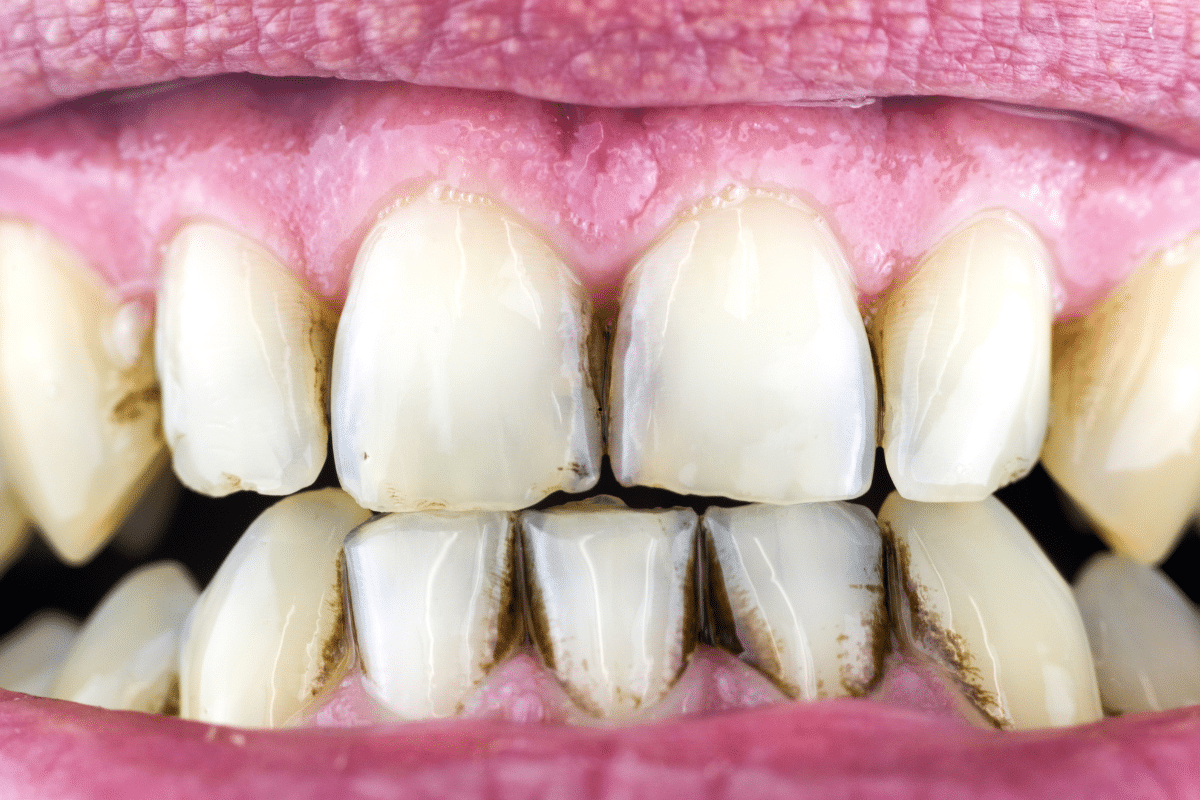
When plaque isn’t cleaned away, the minerals in your saliva cause it to harden, or calcify, into a rough, porous substance. This hardened plaque is calculus. It often appears as a yellow or brown deposit on the teeth, typically near the gum line.
Why Calculus is a Problem
Unlike plaque, calculus cannot be removed by brushing or flossing at home. Its rough surface makes it easier for new plaque to attach, creating a vicious cycle. Calculus buildup can:
- Irritated gums, leading to more advanced gum disease (periodontitis).
- Causes bad breath (halitosis).
- Lead to gum recession and bone loss around the teeth.
- Make your smile appear discolored.
How Your Dentist in Red Lion, PA Can Help
This is where professional dental care becomes non-negotiable. Because you can’t scrape away calculus on your own, you need a trained professional with specialized tools to remove it safely and effectively.
During a professional cleaning, your dental hygienist or dentist in Red Lion PA, will use a technique called scaling.
- Scaling: Using special instruments, they will carefully remove all the calculus buildup from the surfaces of your teeth and beneath the gum line.
- Polishing: After the calculus is gone, your teeth are polished to create a smooth surface, which helps prevent new plaque from sticking.
Regular dental checkups are crucial because a professional can identify and remove calculus in places you can’t see or reach, preventing it from causing serious damage to your teeth and gums.
Conclusion: Take Control of Your Oral Health
The key takeaway is simple: daily home care removes plaque, but only a professional cleaning can remove calculus. Preventing calculus from forming in the first place is your best defense against cavities and gum disease.
If you’ve noticed yellow or brown buildup on your teeth or it’s been a while since your last cleaning, don’t wait for problems to arise. The team at F&S Orthodontics and Periodontics is here to help. Schedule an appointment with our expert dentist red lion pa today for a comprehensive cleaning and exam. We’ll get your smile back to feeling smooth, clean, and healthy.
**Disclaimer: This content should not be considered medical advice and does not imply a doctor-patient relationship.