Referral

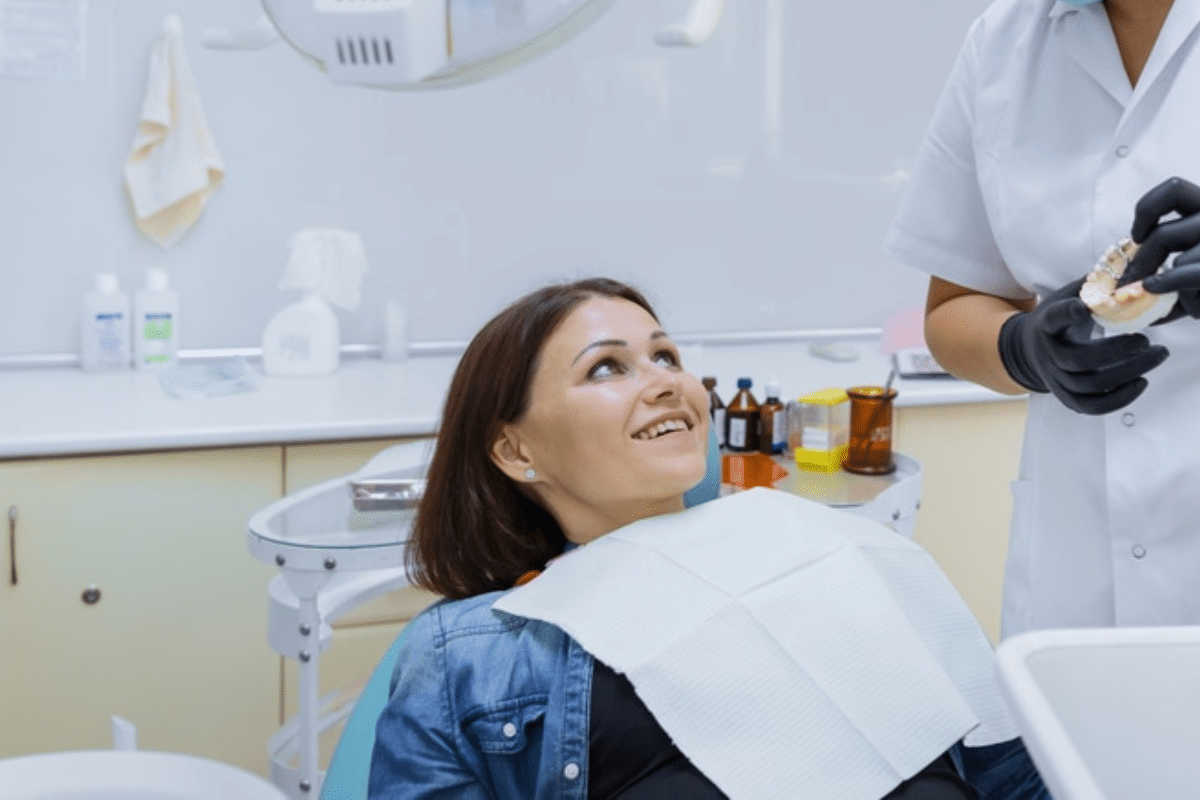
If your orthodontist has recommended jaw surgery, you likely have questions about what to expect. Orthognathic surgery corrects misaligned jaws to improve function, bite, and facial balance. It’s often paired with orthodontic treatment for comprehensive results.
Why Is Jaw Surgery Needed?
Jaw surgery may be recommended if you have:
-
Severe overbite or underbite
-
Difficulty chewing, speaking, or breathing
-
Jaw pain or TMJ disorders
-
Facial asymmetry
-
A gummy smile or an insufficient tooth display
Types of Jaw Surgery
1. Upper Jaw Surgery (Maxillary Osteotomy)
-
Corrects a protruding or recessed upper jaw
-
Adjusts vertical length (reducing a gummy smile or increasing tooth visibility)
2. Lower Jaw Surgery (Mandibular Osteotomy)
-
Repositions a too-forward or too-back lower jaw
-
Improves bite alignment and facial profile
3. Double Jaw Surgery (Bimaxillary Osteotomy)
-
Adjusts both upper and lower jaws simultaneously
-
Ideal for complex misalignments
4. Chin Surgery (Genioplasty)
-
Enhances chin position for better facial balance
-
Can be done alone or with other jaw procedures
The Role of Orthodontics in Jaw Surgery
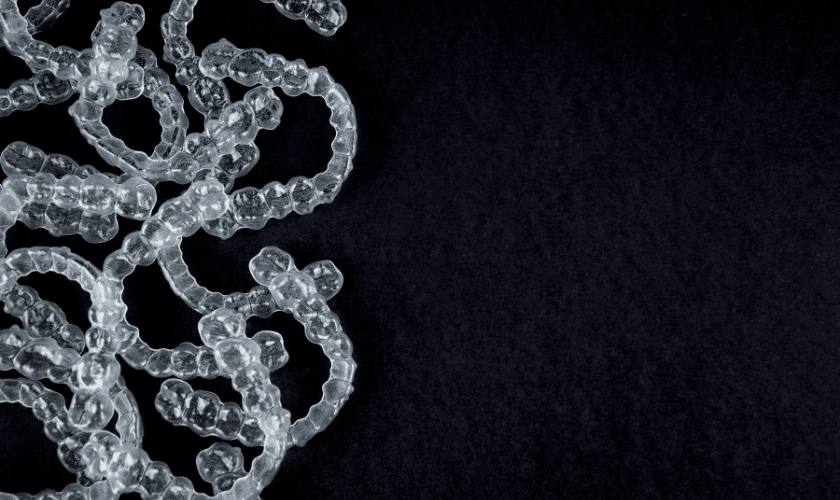
Jaw surgery is typically part of a multi-year treatment plan involving braces or clear aligners.
Pre-Surgical Orthodontics (9–18 Months)
-
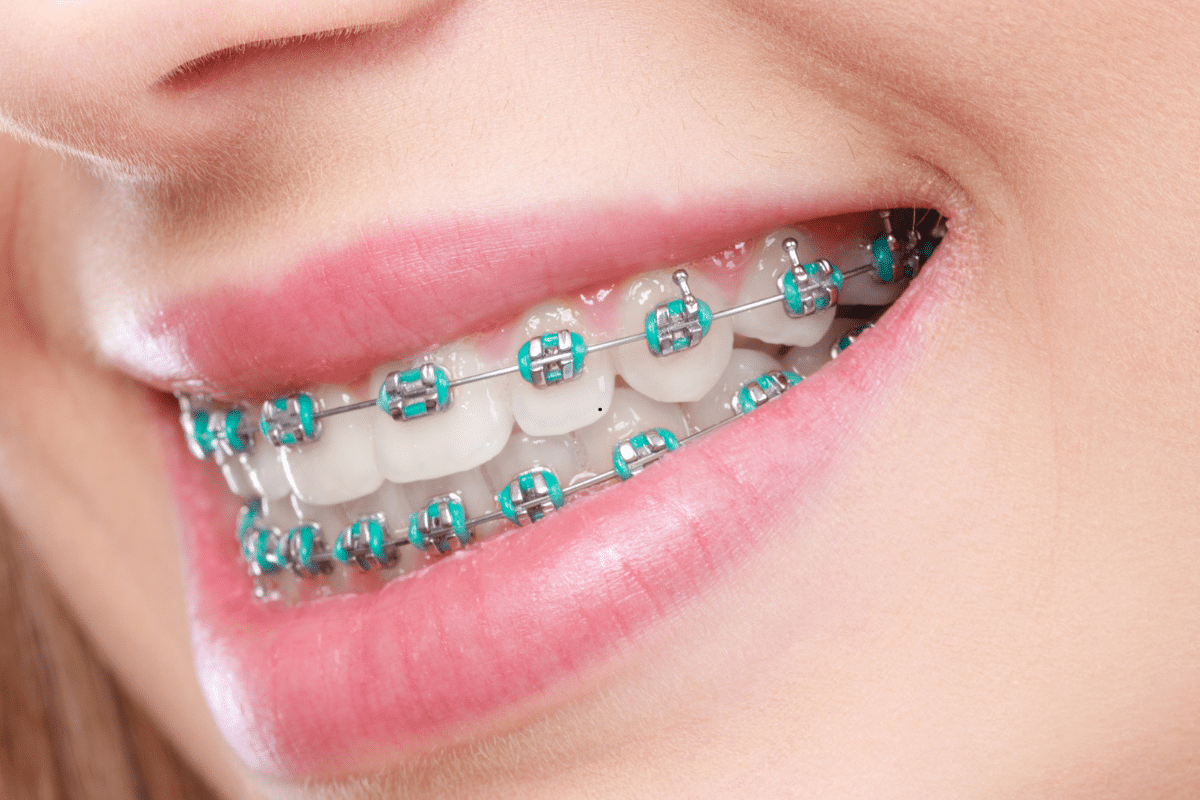
Braces/aligners prepare teeth for proper alignment post-surgery
-
Teeth are moved into ideal positions for the new jaw structure
Surgical Phase (Inpatient Procedure)
-
Performed by an oral surgeon under general anesthesia
-
Jawbones are repositioned and secured with small plates/screws
-
Braces usually remain in place during surgery
Post-Surgical Orthodontics (6–12 Months)
-
Fine-tuning tooth alignment with braces/elastics
-
Ensuring a stable, functional bite
Recovery Timeline & What to Expect
First 2 Weeks: Initial Healing
✔ Swelling & Bruising – Peaks around days 3–4; use ice packs and keep head elevated
✔ Diet – Liquid/no-chew foods (smoothies, soups, protein shakes)
✔ Pain Management – Prescribed medications; stay hydrated to reduce nausea
Weeks 3–6: Gradual Improvement
✔ Swelling decreases; soft foods can be introduced
✔ Light activity permitted (avoid strenuous exercise)
✔ Follow-up appointments to monitor healing
Long-Term Recovery (3–6 Months)
✔ Most swelling resolves
✔ Normal eating resumes (around 6 weeks)
✔ No contact sports for at least 3 months
Tips for a Smooth Recovery
-
Oral Hygiene – Gently brush teeth; use saltwater rinses
-
Nutrition – Focus on high-protein, calorie-dense liquids
-
Rest – Take 2–3 weeks off work/school
-
Follow Instructions – Attend all orthodontic/surgeon check-ups
Is Jaw Surgery Right for You?
If you’re considering jaw surgery, consult an orthodontist near you to discuss:
-
Your specific jaw alignment issues
-
Whether surgery is necessary for optimal results
-
The combined orthodontic-surgical treatment plan
At F&S Orthodontics and Periodontics, we guide patients through every step—from pre-surgical braces to post-op care.
Final Thoughts
Jaw surgery can dramatically improve both function and aesthetics, but it requires careful planning and recovery. With the right orthodontic and surgical team, you can achieve a healthier bite and a more balanced facial appearance.
Need expert advice? Contact us to explore your treatment options!
**Disclaimer: This content should not be considered medical advice and does not imply a doctor-patient relationship.